
Experiencing hard brakes, sluggish engine, or hissing noises? These can all point to vacuum pump problems. This guide outlines common symptoms, causes, inspection tips, and when replacing your vacuum pump is the safest…
What you need to know
If your car's brakes feel hard, engine power drops unexpectedly, or you hear a hissing sound, a failing vacuum pump could be to blame. Check for oil leaks around the pump and weak suction. Replacement is best when key symptoms are present or your inspection reveals major wear or leaks.
What you should know about Vacuum Pump
If your car's brakes feel hard, engine power drops unexpectedly, or you hear a hissing sound, a failing vacuum pump could be to blame. Check for oil leaks around the pump and weak suction. Replacement is best when key symptoms are present or your inspection reveals major wear or leaks.
Fitment checks before you buy
What affects the price
Common buying mistakes
Live listings in this browse area
Main Vacuum Pump Symptoms in South African Vehicles
Early detection of vacuum pump issues can prevent major safety risks. The most common symptom is a rock-hard brake pedal, especially noticeable when you first start the vehicle. Other red flags include weakened braking performance, poor engine idling, increased fuel use, or hissing noises from under the bonnet. In turbocharged vehicles, you may also notice under-boost or sluggish acceleration. If the vacuum pump is internally failing, you might see engine warning lights or feel the engine running rough at idle.
- Hard Brake Pedal: Brakes that suddenly feel unresponsive or require more force often mean vacuum assistance is failing.
- Unstable Idling: The engine may idle too high, too low, or fluctuate randomly.
- Oil Leaks: Wetness or oil under the pump or along the valve cover area signals seal breakdown or pump casing cracks.
- Noisy Operation: Abnormal ticking, rattling, or whistling can originate from worn bearings or broken vanes inside the pump.
If you notice several of these at once, prompt inspection is critical. Consistent symptoms usually mean the safest route is direct replacement—see our Vacuum Pump category for a match to your model.
Causes of Vacuum Pump Failure: What to Watch For
Vacuum pump lifespan depends on quality servicing and occasional parts replacement. In South Africa, harsh conditions—from dust to stop-start traffic—put extra stress on pump seals and moving parts. The most common failure causes include:
- Seal Wear and Oil Leaks: Heat cycles, age, and neglected oil changes break down the rubber and gasket materials.
- Internal Contamination: Engine sludge, debris, or poor-quality lubricants can wear down vanes and bearings.
- Pump Overheating: Extended idling or poor cooling can distort the aluminum casing.
- Poor Fitment or Gasket Reuse: Even used pumps must be installed with new seals to avoid instant leaks or vacuum loss.
Always confirm the part’s compatibility and condition before purchase. Reputable Trade Partners test for suction, leaks, and excessive wear before listing pumps—use our Request a Part service for expert matching.
Replacement vs. Repair: Making the Call
Minor symptoms like a slow oil weep or isolated noise may be repairable with new gaskets or a cover plate—for example, see our Vacuum Pump Cover Plate for BMW range. However, if you’ve found multiple symptoms (oil and vacuum loss, major noise, or performance drop), the safest option is a full vacuum pump replacement.
Opting for a premium used vacuum pump from a trusted Trade Partner offers a balance of value and reliability. Ensure the included fittings and seals match your engine, and never neglect swapping out aged hoses or O-rings during installation. For DIY and brake system servicing, kits like our 21pcs Hand Held Vacuum Pump and Brake Bleeding Kit can help ensure a proper vacuum environment post-install. If in doubt, consult a professional or our parts-matching team.
Buying Guide: How to Source Premium Used Vacuum Pumps
Choosing a used vacuum pump in South Africa involves detailed matching and quality checks. Avoid generic listings and always start your search using the correct vehicle make, model, and year. Our Vacuum Pump catalogue is continuously updated with tested options. For unique or newer models, use our Request a Part form or download our app for real-time stock checks.
- Only work with Trade Partners that inspect and accurately document parts’ origins, suction levels, and fitment details.
- Review any available warranty or return policies first—check our Refund & Returns page for peace of mind.
- Address connected issues like hoses, check valves, and cover plates for a complete solution, not just a short-term fix.
- If you have a surplus, consider our Sell Used Parts programme or become a Trade Partner to help others source reliable components locally.
Used Parts Disclaimer
Used parts can differ by engine code, plugs, mounting points, side, trim level, year range and running changes. Always compare the exact match details before purchase. If the exact item is not listed, use Request a Part so the right option can be sourced.
For policy details, read Refund & Returns. If you want to move stock, see Sell Used Parts or Become a Trade Partner.
Delivery, sourcing and returns
All vacuum pumps and components are carefully shipped nationwide. For full policies or to start a return, visit our Refund & Returns page. Need urgent part-matching? Request a Part or use our app for the latest inventory.
Frequently asked questions
What are the most obvious signs my vacuum pump is faulty?
Common warning signs include: a hard brake pedal, hissing or odd noises from near the engine, oil or vacuum leaks, poor idling, or longer brake stopping times. These symptoms often occur together when the vacuum pump begins to fail.
Can I drive with a faulty vacuum pump?
You should not drive with a failing vacuum pump—especially if your brakes feel hard or unresponsive. Continued driving can increase stopping distances, risk engine stalling, and cause further damage. Replace or repair the pump promptly for safety.
How do I choose the correct used vacuum pump for my car?
Match your car’s exact model, engine code, and year to the part you buy. Always check product listings or request expert help. Review photos and compatibility notes. Look for vacuum pumps tested and supplied by reputable Trade Partners for the best quality.
Should I also replace the vacuum pump's cover plate or gaskets?
Yes—damaged or old cover plates and gaskets are a common source of leaks and weak vacuum. If your pump’s cover plate is cracked or leaking (for example, on many BMWs), replace it along with the pump or when signs of wear appear.
Ready to move?
Spot vacuum pump problems early—browse tested parts or request your fitment now.
Live products related to this guide
Prices, stock and condition are read from the current WooCommerce catalogue.

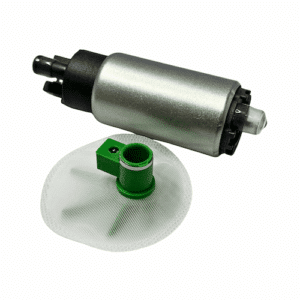
Use the guide, then verify the exact part
Browse the live catalogue first. Send a detailed request when the exact match is not listed.
Related parts intelligence guides

Brake Booster Buying Guide for South African Vehicles – Identification, Fitment & Inspection
Identify and inspect brake boosters for South African cars and find the right part with fitment tips and live product links from…

Car Air Vents Buying Guide for South African Vehicle Owners and Workshops
Understand the importance of car air vents, how to confirm fitment, inspect condition, and practical buying tips for South African vehicles from…

Bulb Holder Parts in South Africa — Identification, Fitment & Buying Tips
Find out how to identify and fit the right bulb holder parts in South Africa with practical tips and links to live…

Accessories Parts in South Africa — Practical Buying Guide for Vehicle Owners and Workshops
A useful guide for South African drivers and workshops on vehicle accessories — how to identify, inspect, and buy from trusted local…

Comprehensive Fuel Filter Guide for South African Vehicle Owners and Workshops
A detailed guide on fuel filters, covering their function, identification, fitment, and maintenance for South African vehicles.

Fuel Cap Buying Guide for South African Vehicle Owners and Workshops
A practical guide for identifying and purchasing the correct fuel cap in South Africa to prevent contamination and check engine errors.


