Understand the importance of fuel filters in your vehicle's performance and longevity. Learn how to identify, fit, and maintain them effectively.

The practical answer
A fuel filter removes contaminants from fuel before it reaches the engine, ensuring optimal performance and preventing damage.
Key takeaways
- Fuel filters protect engine components by filtering out impurities from fuel.
- Regular maintenance and timely replacement of fuel filters are crucial for vehicle performance.
- Choosing the correct fuel filter based on vehicle specifications is essential to prevent engine damage.
- In South Africa, factors like fuel quality and driving conditions make fuel filter maintenance particularly important.
Understanding the Role of Fuel Filters
A fuel filter is a vital component in a vehicle's fuel system, designed to remove contaminants such as dirt, rust, and water from the fuel before it reaches the engine. This filtration process ensures that only clean fuel enters the engine, preventing potential damage to sensitive components like fuel injectors and the fuel pump. Without a properly functioning fuel filter, these impurities can cause clogging, reduced engine performance, and even costly repairs. Regular maintenance and timely replacement of the fuel filter are essential to maintain optimal engine performance and longevity.
Identifying the Correct Fuel Filter for Your Vehicle
Choosing the right fuel filter is crucial to ensure compatibility and prevent engine issues. Factors to consider include the vehicle's make, model, year, and engine type. In South Africa, where fuel quality can vary, selecting a high-quality fuel filter is even more important. For instance, GUD Filters offers a range of fuel filters designed to meet OEM specifications, providing reliable protection against contaminants. It's advisable to consult your vehicle's owner manual or a trusted automotive parts supplier to identify the correct fuel filter for your specific vehicle.
Fitment and Installation Considerations
Proper installation of the fuel filter is essential for its effective operation. Incorrect fitment can lead to fuel leaks, reduced fuel pressure, and engine performance issues. Depending on the vehicle, the fuel filter may be located along the fuel line, near the fuel tank, or integrated into the fuel pump assembly within the tank. It's recommended to have a qualified mechanic perform the installation to ensure correct fitment and to avoid potential issues. Additionally, always ensure that the replacement filter matches the specifications of the original filter to maintain optimal performance.
Maintenance and Replacement Intervals
Regular maintenance of the fuel filter is vital to ensure the engine receives clean fuel. Over time, the filter can become clogged with contaminants, leading to reduced fuel flow and engine performance issues. In South Africa, where driving conditions can be harsh, it's advisable to replace the fuel filter more frequently. While some manufacturers recommend replacement every 20,000 to 40,000 kilometers, under challenging conditions, more frequent replacement may be necessary. Always refer to your vehicle's owner manual for specific maintenance intervals and consult with a trusted automotive professional for guidance tailored to your driving conditions.
Before you buy
- Verify the fuel filter's compatibility with your vehicle's specifications.
- Ensure the filter is from a reputable manufacturer to guarantee quality.
- Check the filter's micron rating to ensure it effectively removes contaminants.
- Confirm the filter's fitment type matches your vehicle's design (e.g., inline, cartridge).
- Inspect the filter for any signs of damage or defects before installation.
Common mistakes to avoid
- Using a fuel filter that doesn't match the vehicle's specifications, leading to potential engine damage.
- Neglecting regular maintenance and replacement intervals, resulting in clogged filters and reduced performance.
- Installing the fuel filter incorrectly, causing fuel leaks or inadequate filtration.
- Opting for low-quality or counterfeit filters that may not provide adequate protection.
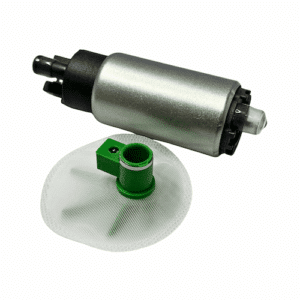
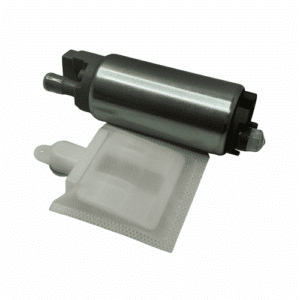
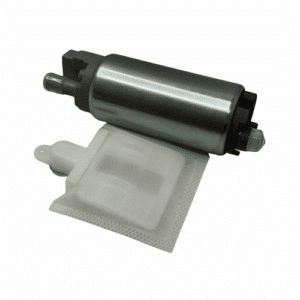
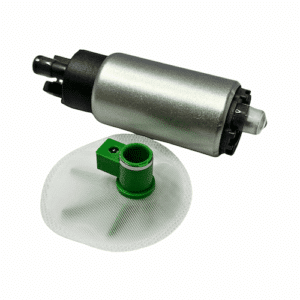
Live products related to this guide
Prices, stock and condition are read from the current WooCommerce catalogue.



Frequently asked questions
How often should I replace my vehicle's fuel filter?
Replacement intervals vary depending on the vehicle and driving conditions. Generally, it's recommended to replace the fuel filter every 20,000 to 40,000 kilometers. However, in regions with poor fuel quality or harsh driving conditions, more frequent replacement may be necessary. Always refer to your vehicle's owner manual for specific recommendations.
Can a clogged fuel filter cause engine performance issues?
Yes, a clogged fuel filter can restrict fuel flow, leading to symptoms such as sluggish acceleration, rough idling, stalling, and difficulty starting the engine. If left unaddressed, it can result in more severe engine problems.
Is it safe to install a fuel filter myself?
While some vehicle owners may choose to replace the fuel filter themselves, it's recommended to have a qualified mechanic perform the installation. Proper fitment is crucial to prevent fuel leaks and ensure optimal engine performance.
Sources consulted
- GUD Filters - Fuel FiltersProvides information on fuel filter types and their importance in engine performance.
- What Is a Fuel Filter? - Kelley Blue BookExplains the function and importance of fuel filters in vehicle engines.
- Fuel Filter Guide: Why It Matters More Than You Think for Toyota DieselsDiscusses the significance of fuel filters in diesel engines and maintenance recommendations.
Use the guide, then verify the exact part
Ensure your vehicle's fuel filter is in top condition to maintain optimal performance. Consult with a trusted automotive professional for guidance tailored to your vehicle and driving conditions.
Related parts intelligence guides

Brake Drum Buying Guide for South African Vehicles with Fitment and Inspection Tips
This guide covers what brake drums are, how to identify and fit them, condition checks, and what South African vehicle owners should…

Brake Disc Parts in South Africa — Identification, Fitment, Quality & Buying Guide
A practical guide for brake discs including identification, fitment, inspection, quality factors, and links to current stock at Brits Brothers Auto Parts.

Comprehensive Guide to Bonnet Cables for South African Vehicles
A detailed guide on bonnet cables, covering identification, fitment, and maintenance for South African vehicles.

Aircon Cannister Parts in South Africa — Identification, Fitment & Buying Guide
This guide helps South African vehicle owners and workshops identify, inspect, and buy the right aircon cannister for reliable air conditioning system…

Brake Master Cylinder Guide: Identification, Fitment, and Maintenance
Essential guide on brake master cylinders covering identification, fitment, maintenance, and buying tips for South African vehicle owners and workshops.

Air Flow Meter Parts in South Africa — Complete Buying Guide (Brits Brothers™)
Explore our detailed guide on air flow meters in South Africa, including identification, fitment, used-part condition, inspection, and buying tips.