
Get practical advice on identifying and solving common differential problems. Understand symptoms, causes, buyer checks, and know when replacing is safer. Built for SA buyers, workshops and fitment specialists.
What you need to know
Common differential problems show up as whining noises, shuddering on turns, leaks, or vibration. Causes include worn bearings, low oil, contamination, or abuse. Check for noise, play, leaks, and compatibility before buying. If metal shavings are found or gear play is excessive, replacement is usually safer than repair.
What you should know about Differential
Common differential problems show up as whining noises, shuddering on turns, leaks, or vibration. Causes include worn bearings, low oil, contamination, or abuse. Check for noise, play, leaks, and compatibility before buying. If metal shavings are found or gear play is excessive, replacement is usually safer than repair.
Fitment checks before you buy
What affects the price
Common buying mistakes
Live listings in this browse area
How to Recognise Differential Problems Early
Early detection of differential issues can save you from full failure and costly downtime. Warning signs differ by vehicle, but most buyers should be alert for:
- Whining, howling, or humming: Especially on acceleration, deceleration, or turns. These usually point to bearing or gear wear.
- Clunking or knocking: Sudden noises when engaging gear or changing direction can signal loose internal components.
- Vibration or shuddering: Felt through the drivetrain during normal driving or under load, suggesting internal imbalance or worn mounts.
- Oil leaks: Pooled oil under the rear or at the wheels often leads to further damage if unchecked. Regular inspection helps catch this early.
South African vehicles, especially 4x4s and vehicles used for towing or heavy loads, are prone to these issues due to demanding terrain and climate.
Most Likely Causes of Differential Failure
Understanding why differentials fail helps you assess risk and make informed choices.
- Low or contaminated oil: Oil lubricates and cools. Running low (from leaks) or with dirty oil accelerates wear on gears and bearings.
- Bearing or gear wear: Metals fatigue over years of use or from overloading, leading to misalignment, excessive play and noise.
- Seal & gasket degradation: Heat, age and poor-quality replacements can allow dust and water in, damaging internals.
- Off-road or high-stress use: Hard launches, towing or aggressive 4×4 use increases load and heat, promoting early wear.
- Neglected mounting bushings or electronics: Issues like worn bushings (see Subaru Polyurethane Bushing Sets) or failed control modules (see VW Differential Control Unit) can mimic or contribute to diff failure.
What to Inspect Before Buying a Used Differential
Used differentials offer real value when carefully inspected. Key buyer actions:
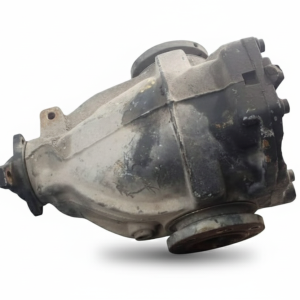
- Physical checks: Look for cracks, corrosion or physical damage to the case and flanges.
- Input/output shaft play: Minor movement is normal, but any excessive play is a red flag for worn bearings or gears.
- Oil condition: See if clean oil remains and check for metallic glitter or shavings, indicating internal damage.
- Fitment verification: Confirm the exact model, ratio, and drive type (2WD/4WD, locking diff, etc.).
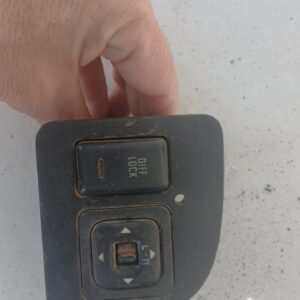
- Supporting components: Consider a new diff lock switch if going for a 4×4 (see Diff Lock Switch | OEM 4×4 Control Switch) or bushing kits for stability.
Transparent history and test reports from your Trade Partner add confidence.
When to Replace Versus Repair
Determining whether repair or replacement is the best route can prevent wasted spend and repeated downtime:
- Repair: Worthwhile with minor seal leaks, bushing swap, or electronics (like the control unit) where internals remain healthy.
- Replace: Recommended if you find heavy scoring on gears, excessive bearing play, or oil full of shavings. Contaminated, noisy, or heavily used diffs typically cost more to overhaul than to replace.
- Upgrading for performance or 4×4: Often, sourcing a known-good used unit from a trusted Trade Partner is a faster route back on the road or trail.
Always prioritise safety and cost over DIY short-cuts. When in doubt, request expert support or source parts via verified networks.
Used Parts Disclaimer
Used parts can differ by engine code, plugs, mounting points, side, trim level, year range and running changes. Always compare the exact match details before purchase. If the exact item is not listed, use Request a Part so the right option can be sourced.
For policy details, read Refund & Returns. If you want to move stock, see Sell Used Parts or Become a Trade Partner.
Delivery, sourcing and returns
All deliveries are handled efficiently across South Africa. Review our Refund & Returns Policy for buyer protection and hassle-free returns on qualifying differentials.
Frequently asked questions
What are the earliest signs of differential problems in my car?
Listen for new noises—whining, humming or clunking from the rear or underbody—plus any vibration or oil leaks. These are the first clues your differential may need attention.
Can I drive with a noisy or leaking differential?
It’s not advised. Continued use risks full failure, higher repair cost, or even loss of drive. Address noises and leaks as soon as possible for safety and long-term savings.
How can I make sure a used differential will fit my vehicle?
Match the part number, axle ratio, and drive type (2WD/4WD/locking) exactly with your current differential. Unsure? Use the Request a Part service for confirmation.
Are there financing or trade options for differentials in South Africa?
Yes. Major Trade Partners often provide bulk pricing, and you can send us parts to Sell Used Parts or join as a Trade Partner for broader network access and terms.
Ready to move?
Ready for safer driveline performance? Request your differential or expert fitment advice now.
Live products related to this guide
Prices, stock and condition are read from the current WooCommerce catalogue.




Use the guide, then verify the exact part
Browse the live catalogue first. Send a detailed request when the exact match is not listed.
Related parts intelligence guides

Car Air Vents Buying Guide for South African Vehicle Owners and Workshops
Understand the importance of car air vents, how to confirm fitment, inspect condition, and practical buying tips for South African vehicles from…

Bulb Holder Parts in South Africa — Identification, Fitment & Buying Tips
Find out how to identify and fit the right bulb holder parts in South Africa with practical tips and links to live…

Accessories Parts in South Africa — Practical Buying Guide for Vehicle Owners and Workshops
A useful guide for South African drivers and workshops on vehicle accessories — how to identify, inspect, and buy from trusted local…

Comprehensive Fuel Filter Guide for South African Vehicle Owners and Workshops
A detailed guide on fuel filters, covering their function, identification, fitment, and maintenance for South African vehicles.

Fuel Cap Buying Guide for South African Vehicle Owners and Workshops
A practical guide for identifying and purchasing the correct fuel cap in South Africa to prevent contamination and check engine errors.

EGR Valve Buying Guide for South African Vehicle Owners and Workshops
Practical guide for identifying, inspecting, and buying EGR valves for South African vehicles, with product examples and inspection tips to avoid common…


