Explore key issues affecting used beanies or winter hats. Learn about signs of wear, hygiene concerns, inspection tips, and when to choose replacement. Perfect for buyers seeking warm, reliable headwear in South Africa.
What you need to know
Common problems with beanies or winter hats include fabric thinning, stretching, pilling, persistent odours, and lining damage. Check for these signs before buying, as severe wear or hygiene issues often make replacement a safer option—especially for used winter gear.
What you should know about Beanies or Winter Hats
Common problems with beanies or winter hats include fabric thinning, stretching, pilling, persistent odours, and lining damage. Check for these signs before buying, as severe wear or hygiene issues often make replacement a safer option—especially for used winter gear.
Fitment checks before you buy
What affects the price
Common buying mistakes
Live listings in this browse area
Symptoms of Common Beanie and Winter Hat Problems
Used beanies and winter hats can develop several noticeable symptoms that affect their warmth, fit, and hygiene. Typical issues include:
- Fabric deterioration: Thinned or translucent patches are a tell-tale sign.
- Loss of stretch: Openings that no longer grip the head securely let in wind and cold.
- Pilling and fuzz: Excessive pilling not only looks unsightly, but can make hats itchy or less effective against the elements.
- Odour retention: Beanies are worn close to the scalp—lingering musty or sweaty scents can be hard to remove and signal deep-seated hygiene issues.
- Interior lining damage: Ripped linings or packed-in lint may irritate skin or reduce thermal performance.
Spot these symptoms early to avoid disappointment after purchase. For verified options, view our current stock of winter hats.
What Causes Damage or Wear to Beanies in South Africa
Frequent use, storage habits, and South African winter conditions all contribute to common beanie and winter hat problems:
- Repeated washing with harsh detergents leads to fading, stretching, or fraying at seams.
- Extended sun exposure can weaken fibres and dull knit patterns or colours.
- Poor storage, such as leaving hats damp or packed tightly, may cause mould or lingering odour.
- Heavy use (e.g. daily commutes or outdoor work) accelerates pilling, loss of elasticity, and dirt buildup.
- Incorrect cleaning—especially for wool—may shrink or warp headwear beyond safe repair.
Understanding these factors helps prioritise inspections and plan for longer-wearing purchases. For specific care guidance, reach out via our Request a Part form.
What Buyers Should Inspect Before Purchasing Used Winter Hats
Safety, hygiene, and comfort are paramount with pre-owned headwear. Before committing, always:
- Check key wear points—edges, seams, elastic, and fabric for looseness or holes.
- Smell and visually inspect for cleanliness and signs of embedded sweat, smoke, or mildew.
- Compare to available new or gently-used versions (for example, see the Woven Beanie – Grey or Woven Beanie – Navy for reference fit and finish).
- Review tags or branded markings to verify authenticity and laundering requirements.
- Evaluate sizing; overly stretched, shrunken, or misshapen hats are difficult to restore.
For business purchases or batch buying, consider partnering through our Trade Partner programme for insights and priority listing options.
When to Replace Rather Than Repair a Beanie or Winter Hat
Repairing used beanies is sometimes possible—removing minor pilling or washing out simple stains. However, replacement is a safer choice when:
- Fabric is thinned through or has holes larger than 5mm.
- Persistent odour or visible mould remains after cleaning.
- Elastic fails: When hats won’t stay on, protection against wind or cold is compromised.
- Linings are deeply stained, torn, or missing.
- Material allergens or unknown origins could impact sensitive users, especially with kids’ or close-contact items.
Unsure about a specific item’s suitability? Ask via our Request a Part service, or browse updated winter hat selections to find safe, quality-tested options that fit your needs.
Used Parts Disclaimer
Used parts can differ by engine code, plugs, mounting points, side, trim level, year range and running changes. Always compare the exact match details before purchase. If the exact item is not listed, use Request a Part so the right option can be sourced.
For policy details, read Refund & Returns. If you want to move stock, see Sell Used Parts or Become a Trade Partner.
Delivery, sourcing and returns
All used beanies or winter hats ordered via Brits Bros Parts are dispatched locally across South Africa. Review our Refund & Returns policy before purchase. Questions about a specific item? Request a Part any time.
Frequently asked questions
What's the main hygiene risk with used beanies or winter hats?
The main hygiene risk is lingering sweat, odour, or residue in the fabric and lining—especially when hats have been worn without frequent or proper cleaning. Persistent smells or visible stains mean bacteria or fungi could remain, which is difficult to fully remove in used hats.
Can stretched or loose beanies be restored to a tight fit?
Generally, once elasticity is lost—especially around the crown—most beanies cannot be reliably tightened at home. Severe stretching leaves hats loose and less effective; replacement is often more practical for warmth and appearance.
Are visible stains or lint on the inside a dealbreaker?
Minor surface lint is not uncommon in second-hand hats and can often be removed, but embedded stains, persistent marks, or actual residue point to deeper hygiene concerns. Such issues usually call for replacement rather than cleaning.
Where can I request a specific style or colour of winter hat not in stock?
Use the Request a Part service to list your requirements. Our team and trade partners regularly source fresh beanies or winter hats in various styles and colours to match your preferences.
Ready to move?
Browse or request reliable used beanies—stay warm and protected this winter.
Live products related to this guide
Prices, stock and condition are read from the current WooCommerce catalogue.


Use the guide, then verify the exact part
Browse the live catalogue first. Send a detailed request when the exact match is not listed.
Related parts intelligence guides

Cabin Filter Buying Guide for South African Vehicles: Identification, Fitment & Maintenance
A practical guide to cabin filters in South Africa, covering identification, fitment, inspection, and buying tips for vehicle owners and workshops.

Comprehensive Guide to Air Filters in South Africa: Identification, Fitment, and Maintenance
A detailed guide on air filters in South Africa, covering identification, fitment, maintenance, and buying advice for vehicle owners and workshops.

Comprehensive Guide to Car Aerials in South Africa
A detailed guide on car aerials in South Africa, covering types, identification, fitment, and maintenance, with practical tips and product recommendations.
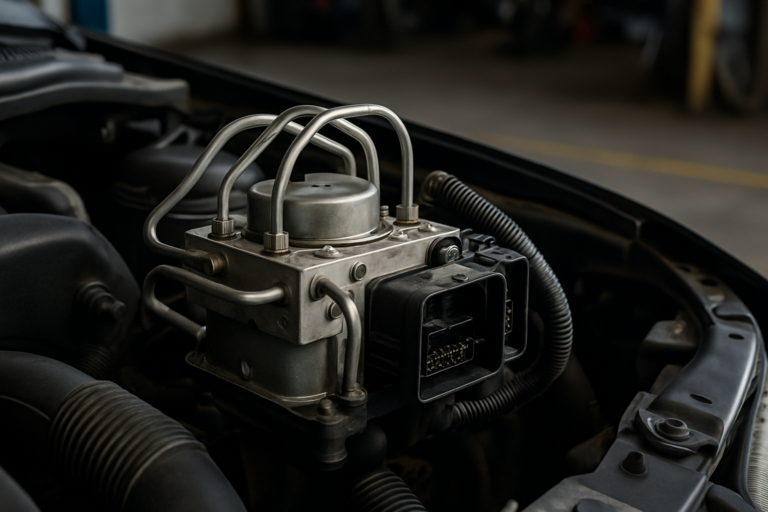
ABS Controller Parts in South Africa — Buying Guide (Brits Brothers™)
A practical guide for ABS Controller — what to look for, what's included, and quick links to live listings on Brits Brothers™.

Cam Pulley Parts in South Africa — Buying Guide (Brits Brothers™)
A practical guide for Cam Pulley — what to look for, what’s included, and quick links to live listings on Brits Brothers™.

Bumper Reflectors in South Africa: Identification, Fitment, and Maintenance Guide
This guide provides detailed information on bumper reflectors in South Africa, including identification, fitment, maintenance, and legal requirements for vehicle owners and…