Essential information on bumper reflectors in South Africa, including identification, fitment, maintenance, and legal requirements for vehicle owners and workshops.

The practical answer
Bumper reflectors are essential safety components that enhance vehicle visibility, and proper identification, fitment, and maintenance are crucial for compliance with South African regulations.
Key takeaways
- Bumper reflectors are vital for vehicle safety, enhancing visibility to other road users.
- Correct identification and fitment are essential to comply with South African road traffic regulations.
- Regular maintenance ensures reflectors remain effective and in good condition.
- Understanding legal requirements helps avoid penalties and ensures roadworthiness.
Understanding Bumper Reflectors
Bumper reflectors are passive safety devices mounted on a vehicle's bumper to reflect light from headlights of other vehicles, enhancing visibility, especially in low-light conditions. They are typically red for rear-facing reflectors and amber or white for front-facing ones. Proper identification of the correct reflector type and position is crucial for compliance with South African road traffic regulations.
Legal Requirements for Bumper Reflectors in South Africa
According to the National Road Traffic Act, 1996, vehicles must be equipped with retro-reflectors to ensure visibility. Specific regulations include:
- Regulation 189: Retro-reflectors must be positioned between 300 mm and 1,500 mm from the ground, facing the appropriate direction (white to the front, red to the rear, yellow to the side), and be clean and unobstructed. They should not be fitted to movable parts of the vehicle.
- Regulation 190: If it's impossible to fit retro-reflectors on the vehicle's body as per Regulation 189, two red retro-reflectors must be fitted to the rear of the vehicle as low as possible on the body, and two additional red retro-reflectors on the rear underframe at the prescribed height.
Non-compliance with these regulations can result in penalties and affect the vehicle's roadworthiness status.
Identifying the Correct Bumper Reflector for Your Vehicle
To ensure proper fitment and compliance, consider the following steps:
- Vehicle Specifications: Refer to your vehicle's manual or consult with the manufacturer to determine the correct type and size of the reflector required.
- Positioning: Ensure the reflector is mounted at the correct height and orientation as specified in the regulations.
- Condition: Inspect the reflector for any signs of damage, discoloration, or wear that may impair its reflective properties.
For example, the Nissan NP200 L/R Bumper Reflector (08-) is designed for the Nissan NP200 model, ensuring proper fitment and compliance with regulations.
Fitment and Installation of Bumper Reflectors
Proper installation is essential for the reflector's effectiveness and compliance:
- Tools Required: Depending on the vehicle, you may need a socket set, screwdriver, trim removal tools, and possibly a panel removal tool to access the mounting area.
- Installation Steps: Carefully remove any existing reflector, clean the mounting area, align the new reflector correctly, and secure it using the appropriate fasteners. Ensure the reflector is firmly attached and positioned correctly to face the appropriate direction.
- Professional Assistance: If unsure about the installation process, it's advisable to seek assistance from a professional mechanic or workshop to ensure proper fitment and compliance with regulations.
For instance, the VW Tiguan R/R Outer Bumper Reflector (2016-) is designed for the VW Tiguan model, ensuring proper fitment and compliance with regulations.
Maintenance and Inspection of Bumper Reflectors
Regular maintenance ensures the reflector remains effective:
- Cleaning: Periodically clean the reflector with mild soap and water to remove dirt and debris. Avoid abrasive materials that may scratch the surface.
- Inspection: Regularly check for signs of damage, such as cracks, discoloration, or detachment. Replace any damaged reflectors promptly to maintain safety and compliance.
- Replacement: If the reflector is damaged or degraded, replace it with a new one that matches the vehicle's specifications to ensure continued safety and compliance.
For example, the BMW F30 M-Sport R/R Bumper Reflector (12-19) is designed for the BMW F30 model, ensuring proper fitment and compliance with regulations.
Before you buy
- Verify the reflector's compatibility with your vehicle's make, model, and year.
- Ensure the reflector meets South African road traffic regulations for size, color, and positioning.
- Check the reflector's condition for any signs of damage or wear before purchasing.
- Confirm the reflector is suitable for the specific bumper position (front, rear, left, right).
- Consider purchasing from reputable suppliers to ensure product quality and compliance.
Common mistakes to avoid
- Purchasing a reflector that is not compatible with the vehicle's specifications.
- Installing the reflector at an incorrect height or orientation, leading to non-compliance.
- Neglecting to inspect the reflector for damage before installation.
- Using a damaged or degraded reflector, compromising safety and visibility.
Live products related to this guide
Prices, stock and condition are read from the current WooCommerce catalogue.

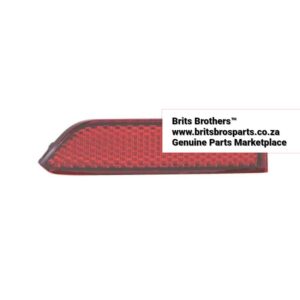
VW Tiguan R/R Outer Bumper Reflector 2016-
new


Frequently asked questions
What is the purpose of bumper reflectors?
Bumper reflectors enhance vehicle visibility by reflecting light from approaching vehicles, especially in low-light conditions, thereby improving safety.
Are bumper reflectors mandatory in South Africa?
Yes, according to the National Road Traffic Act, 1996, vehicles must be equipped with retro-reflectors to ensure visibility and comply with road traffic regulations.
How do I know if a bumper reflector is compatible with my vehicle?
Refer to your vehicle's manual, consult with the manufacturer, or seek assistance from a professional mechanic to determine the correct reflector type and size for your vehicle.
Sources consulted
- National Road Traffic Act, 1996 (Act No. 93 of 1996) - Regulation 189: General requirements for retro-reflectorsLegal requirements for retro-reflectors in South Africa.
- How To Install Rear Bumper Reflector: DIY Tips, Costs, and Failure SignsGuidance on installing rear bumper reflectors.
- Before You Order a Bumper Reflector, Build the One-Job Order SheetTips for ordering the correct bumper reflector.
Use the guide, then verify the exact part
Ensure your vehicle's bumper reflectors are correctly identified, fitted, and maintained to comply with South African regulations and enhance road safety.
Related parts intelligence guides

Comprehensive Guide to CV Joints: Identification, Inspection, and Maintenance
A detailed guide on CV joints, covering identification, inspection, and maintenance to keep your vehicle running smoothly.

CV Boot Parts Buying Guide South Africa: Identification, Fitment & Inspection Tips
A practical CV Boot guide covering identification, fitment, inspection and buying tips for South African vehicles with direct product links.

Crankshaft Seal Buying Guide for South African Vehicles with Fitment & Inspection Tips
Essential tips for identifying, inspecting, and buying crankshaft seals. Includes fitment advice and links to quality parts available at Brits Brothers South…

Clutch Cable Buying Guide for South African Vehicles: Identification, Fitment & Maintenance
Learn how to identify and select the correct clutch cable for your vehicle in South Africa, including practical buying checks and maintenance…

Cabin Filter Buying Guide for South African Vehicles: Identification, Fitment & Maintenance
A practical guide to cabin filters in South Africa, covering identification, fitment, inspection, and buying tips for vehicle owners and workshops.

Comprehensive Guide to Air Filters in South Africa: Identification, Fitment, and Maintenance
A detailed guide on air filters in South Africa, covering identification, fitment, maintenance, and buying advice for vehicle owners and workshops.