
Discover the key symptoms and causes of barrel bolt brass issues in automotive applications. This reference guide covers how to spot wear, when to act, and what South African buyers should check for lasting reliability.
What you need to know
The most common barrel bolt brass problems include sticking, visible corrosion, misalignment, and loss of holding strength. Buyers should inspect for wear, pitting, distorted shape, and test for smooth operation. If issues persist after cleaning or lubrication, replacement is the safer route.
What you should know about Barrel Bolt Brass
The most common barrel bolt brass problems include sticking, visible corrosion, misalignment, and loss of holding strength. Buyers should inspect for wear, pitting, distorted shape, and test for smooth operation. If issues persist after cleaning or lubrication, replacement is the safer route.
Fitment checks before you buy
What affects the price
Common buying mistakes
Live listings in this browse area
Barrel Bolt Brass: Failure Symptoms & What They Mean
Barrel bolt brass parts are prized for corrosion resistance but face unique failure patterns in South African automotive and DIY settings. Symptoms often start with increased resistance or a ‘notchy’ feel while sliding the bolt. Sticking or inability to lock securely is a red flag for wear, internal buildup, or corrosion. If the bolt shows pronounced tarnishing or has greenish stains, it may be experiencing a breakdown of the brass alloy itself.
- Sticking or rough engagement: Can mean surface wear or internal fouling.
- Loose fit or rattling: Signals bolt or housing deformation.
- Visual corrosion: Recognisable by blue-green oxide stains, which weaken the structure.
Addressing these symptoms early is crucial for maintaining safety and avoiding sudden failure.
Root Causes: Why Do Barrel Bolt Brass Parts Fail?
Several factors accelerate barrel bolt brass wear. The most common is long-term moisture exposure; even brass, while naturally resistant, will eventually tarnish and corrode, especially in older vehicles or outdoor applications. Vibration and frequent use can cause bolt misalignment or wear down the contact points. Over-tightening or using incorrect screws may crack mounting plates or distort the bolt itself.
- Environmental factors: Rain, humidity, or exposure to road grime increase corrosion risk.
- Poor maintenance: Lack of regular cleaning or lubrication leads to stiffness and oxidation.
- Improper fitment: Using incorrectly sized bolts or mounting hardware leads to stress and early failure.
Inspection Steps: How to Assess Barrel Bolt Brass Condition
Begin with a visual check: look for tarnish, pitting, scratches, or bent sections along the bolt body. Test the action—sliding should be smooth, not gritty or stiff. Use a magnet if you’re unsure it’s solid brass (brass won’t stick). Confirm that both the bolt barrel and the catch plate align perfectly and that all screws are snug. If you notice fractures, deep corrosion, or play in the assembly, it’s time to consider a replacement to preserve safety and proper function.
If you’re unsure about compatibility, use the Request a Part service for help matching exact sizes or specs.
When to Replace: Staying Safe and Avoiding Downtime
While cleaning and lubricating may restore minor issues, persistent symptoms mean degradation has set in. If you notice ongoing resistance, bolt slop, or the lock failing to fully engage, replacement is safer than risking total failure. For automotive or equipment fitment, always select high-quality, compatible brass bolts and consider sourcing through established Trade Partners for traceability and return options. Check live category listings at Barrel Bolt Brass for suitable replacements and related hardware.
Used Parts Disclaimer
Used parts can differ by engine code, plugs, mounting points, side, trim level, year range and running changes. Always compare the exact match details before purchase. If the exact item is not listed, use Request a Part so the right option can be sourced.
For policy details, read Refund & Returns. If you want to move stock, see Sell Used Parts or Become a Trade Partner.
Delivery, sourcing and returns
Nationwide South African delivery is available for barrel bolt brass and related fasteners. For peace of mind, review the flexible returns and refund policy at https://britsbrosparts.co.za/refund-returns/ before purchase.
Frequently asked questions
What are the tell-tale signs of a worn barrel bolt brass in my car or toolbox?
Look for a bolt that sticks, requires excessive force to lock, shows visible pitting or green corrosion, and no longer aligns perfectly with its plate. If the action is rough or parts feel loose, the component is likely compromised.
Can a sticking barrel bolt be fixed, or is replacement necessary?
Minor sticking can sometimes be remedied by cleaning and lubricating the bolt. However, if corrosion, deformation, or excessive wear are present, replacement is usually recommended for safety and reliability.
How do I choose the right replacement barrel bolt brass for automotive use?
Measure your original bolt’s diameter and length, check the mounting hole spacing, and match the style (surface or mortice). If uncertain, use the Request a Part tool for guidance or browse live product listings for exact matches.
Are Ruwag Butt Hinge Brass Plated parts compatible with barrel bolt applications?
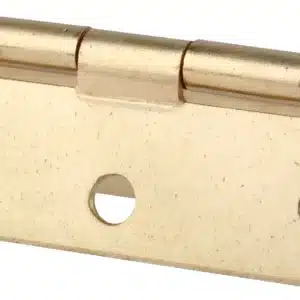
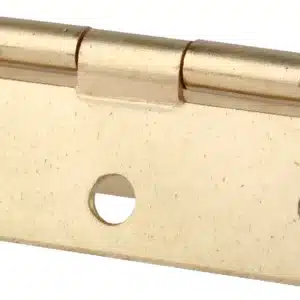
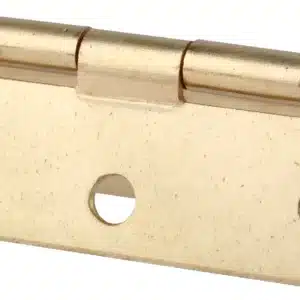
Ruwag Butt Hinge Brass Plated parts are designed for hinge applications but share corrosion resistance properties. For barrel bolts, always ensure fitment and sizing matches your locking or securing needs. See our Barrel Bolt Brass category for specialised options.
Ready to move?
Inspect your barrel bolt brass today—shop replacements or request expert matching for peace of mind.
Live products related to this guide
Prices, stock and condition are read from the current WooCommerce catalogue.

Use the guide, then verify the exact part
Browse the live catalogue first. Send a detailed request when the exact match is not listed.
Related parts intelligence guides

Cam Pulley Parts in South Africa — Buying Guide (Brits Brothers™)
A practical guide for Cam Pulley — what to look for, what’s included, and quick links to live listings on Brits Brothers™.

Bumper Reflectors in South Africa: Identification, Fitment, and Maintenance Guide
This guide provides detailed information on bumper reflectors in South Africa, including identification, fitment, maintenance, and legal requirements for vehicle owners and…

Comprehensive Guide to Bumper Parts in South Africa
A detailed guide for South African vehicle owners on selecting, fitting, and purchasing bumper parts, featuring live product listings and expert advice.

Comprehensive Guide to Brake Fluid Reservoirs in South Africa
Understand the role, maintenance, and purchasing considerations of brake fluid reservoirs for South African vehicles.

Brake Calipers in South Africa: Identification, Fitment, and Buying Guide
Brake calipers house brake pads and pistons to slow wheels by friction. Choose the right caliper by fitment, condition, and quality when…

Bootlid Parts Buying Guide in South Africa: Identification, Condition & Fitment Tips
Practical guide for identifying, inspecting, and buying new or used bootlid parts with fitment tips for South African vehicles.
