
If your vehicle starts showing warning signs—like strange noises, erratic performance, or dashboard alerts—it may be time to inspect or replace key automotive parts. Learn the common symptoms, root causes, and when a re…
What you need to know
Typical problems with automotive replacement parts include worn brakes, noisy bearings, faulty sensors, and failing electrical components. Early symptoms—such as uneven braking, dashboard warnings, or dropped performance—should never be ignored. Inspect visible wear, test functionality, and when in doubt, replace with quality used automotive parts for optimal safety.
What you should know about Automotive Replacement Parts
Typical problems with automotive replacement parts include worn brakes, noisy bearings, faulty sensors, and failing electrical components. Early symptoms—such as uneven braking, dashboard warnings, or dropped performance—should never be ignored. Inspect visible wear, test functionality, and when in doubt, replace with quality used automotive parts for optimal safety.
Fitment checks before you buy
What affects the price
Common buying mistakes
Live listings in this browse area
Recognising the Most Common Symptoms
Early identification is key to safer, lower-cost repairs. Look for warning signs that often signal the need for automotive replacement parts. These include:
- Noises: grinding, squeaking brakes, or humming from bearings.
- Performance drops: sluggish acceleration, rough idling, or stalling.
- Dashboard alerts: check engine, ABS, or airbag symbols.
- Vibration or pulling: during braking or at certain speeds.
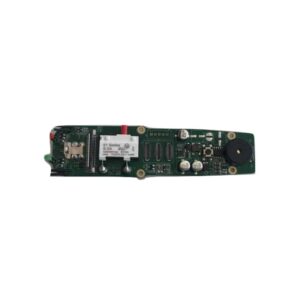
Ignoring these signs risks tyre, brake, or engine component failure. For electrical part issues, consider proven diagnostic tools with quality replacement modules like the Autel LCD for MD808 Pro or Autel PC Board for PS100.
Likely Causes and Component-Specific Risks
Different symptoms point to specific root causes:
- Brakes: Uneven braking, squeals, or a soft pedal usually signal worn pads or rotors.
- Suspension: Clunks or a loose feel may be due to worn ball joints, bushings, or shocks.
- Electrical: Erratic gauges, warning lights, or non-starts often relate to failing sensors, batteries, or circuit boards (e.g., Autel PC Board).
- Engine components: Oil leaks, loss of power, or overheating can indicate gasket, hose, or belt failure.
Assessing component-specific risks ensures you target the right replacement, especially for high-mileage or older vehicles in South Africa’s climate.
What to Inspect Before Replacement
Thorough inspection saves time and money:
- Visual assessment: Check for cracks, leaks, corrosion, or obvious wear.
- Test operation: For parts like sensors, diagnostic modules, or probe tips (see example), verify accurate readings or function.
- Match part numbers: Always compare the OEM or item number on both the original and replacement.
- History: If possible, ask about the source and prior usage duration. Reputable trade partners should provide this upon request.
- Rely on digital support: Use the Brits Bros Parts App for convenient part lookup and order tracking on the go.
When Should You Replace Vs Repair?
Replacement is usually safer when:
- Parts show structural damage, excessive corrosion, or cannot be restored to spec.
- Component failure affects safety systems (brakes, steering, airbags, electronics).
- Repairs would cost more than sourcing a quality used replacement.
- Reliable operation is essential, such as for fleet and public vehicles.
If unsure, request expert input or assistance in part matching via our Request a Part form. For bulk or frequent needs, consider our Trade Partner programme.
Used Parts Disclaimer
Used parts can differ by engine code, plugs, mounting points, side, trim level, year range and running changes. Always compare the exact match details before purchase. If the exact item is not listed, use Request a Part so the right option can be sourced.
For policy details, read Refund & Returns. If you want to move stock, see Sell Used Parts or Become a Trade Partner.
Delivery, sourcing and returns
Nationwide delivery available on most parts, with clear return options outlined in our Refund & Returns page. Always verify fitment and condition, and use our Request a Part service if you need help sourcing the correct item.
Frequently asked questions
What are the most common replacement parts that fail in South Africa?
Brake pads and discs, suspension bushings, sensors (especially oxygen and ABS sensors), battery and electronic modules are frequently replaced. The climate and road conditions in South Africa accelerate wear on these items.
How can I tell if a used replacement part is still good?
Check for clear signs of damage, heavy rust, or leaking seals. Compare part numbers and request history or photos from a reputable trade partner. Testing or digital scan tools can help verify electronic parts before buying.
Is it safe to use used electrical components?
Used electrical parts like sensors or circuit boards can be reliable if sourced from vetted trade partners and tested before fitment. Always verify compatibility and consider new parts for critical systems when possible.
What should I do if I can't find the exact part I need?
Use our Request a Part service for personalised sourcing. Describe your vehicle and required part details—we’ll connect you with the right trade partners or notify you when suitable stock arrives.
Ready to move?
Need proven replacement parts? Request exactly what you need or browse our quality range now.
Live products related to this guide
Prices, stock and condition are read from the current WooCommerce catalogue.


Use the guide, then verify the exact part
Browse the live catalogue first. Send a detailed request when the exact match is not listed.
Related parts intelligence guides

Car Air Vents Buying Guide for South African Vehicle Owners and Workshops
Understand the importance of car air vents, how to confirm fitment, inspect condition, and practical buying tips for South African vehicles from…

Bulb Holder Parts in South Africa — Identification, Fitment & Buying Tips
Find out how to identify and fit the right bulb holder parts in South Africa with practical tips and links to live…

Accessories Parts in South Africa — Practical Buying Guide for Vehicle Owners and Workshops
A useful guide for South African drivers and workshops on vehicle accessories — how to identify, inspect, and buy from trusted local…

Comprehensive Fuel Filter Guide for South African Vehicle Owners and Workshops
A detailed guide on fuel filters, covering their function, identification, fitment, and maintenance for South African vehicles.

Fuel Cap Buying Guide for South African Vehicle Owners and Workshops
A practical guide for identifying and purchasing the correct fuel cap in South Africa to prevent contamination and check engine errors.

EGR Valve Buying Guide for South African Vehicle Owners and Workshops
Practical guide for identifying, inspecting, and buying EGR valves for South African vehicles, with product examples and inspection tips to avoid common…


