
Quickly spot air regulator problems with this South African guide: symptoms, likely causes, what to check, and when to prioritise a safe replacement. Know what to look for before you buy used or reconditioned air regula…
What you need to know
The most common air regulator problems in South African vehicles involve pressure instability, hissing noises, inconsistent airflow, or regulator leaks. These issues are frequently caused by internal wear, grime build-up, faulty seals, or damage from prolonged use. If basic visual checks reveal rust, stuck adjustment knobs, or signs of air loss, replacement is typically the safest option.
What you should know about Air Regulator
The most common air regulator problems in South African vehicles involve pressure instability, hissing noises, inconsistent airflow, or regulator leaks. These issues are frequently caused by internal wear, grime build-up, faulty seals, or damage from prolonged use. If basic visual checks reveal rust, stuck adjustment knobs, or signs of air loss, replacement is typically the safest option.
Fitment checks before you buy
What affects the price
Common buying mistakes
Live listings in this browse area
What Does an Air Regulator Do in Your Vehicle?
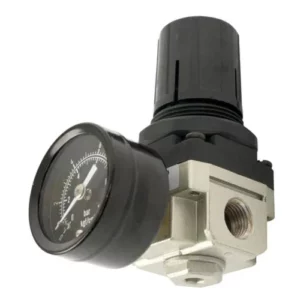
Air regulators are essential components in vehicle pneumatic systems, moderating airflow and pressure for everything from air suspension setups to turbocharger control and workshop tools. By stabilising input and output pressures, these parts prevent damage to downstream systems and ensure predictable, safe vehicle operation in various South African conditions.
- Regulates compressor or air tank output for accessories
- Protects sensitive actuators and valves from pressure spikes
- Improves system reliability and equipment lifespan
Common Problems: Symptoms & Causes
Recognising early signs of air regulator failure can save you money and reduce downtime. Here are key symptoms and their likely origins:
- Pressure Instability: Erratic gauge readings or surging airflow can mean worn seals, diaphragm cracks, or lodged debris inside the regulator.
- Hissing or Air Leaks: Noticeable hissing or bubbles at joints point to casing cracks, damaged threads, or degraded inlet/outlet seals.
- Sluggish or Unresponsive Adjustment: Sticky regulation is usually caused by internal corrosion, contaminant buildup, or aging components.
- Warning Lights/Error Codes: On advanced vehicles, faulty air pressure may trigger dashboard alerts – always investigate before further use.
In South Africa, invasive dust, exposure to harsh weather, and infrequent servicing commonly speed up regulator wear.
What Should Buyers Inspect When Choosing a Used Air Regulator?
Many pre-owned and reconditioned air regulators offer high value if inspected thoroughly before purchase. Key checks include:
- External Integrity: Reject regulators with any cracks, pronounced dents, or rust perforation.
- Movement: Ensure all adjustment knobs and dials move freely without snagging.
- Mounting Points: Confirm thread or mounting tabs are undamaged and true to spec.
- Seal Condition: Look for pliable, undamaged O-rings or gaskets where visible.
- Residual Contamination: Wipe or inspect for oil, moisture, or metallic dust at inlets and outlets.
For complex fitments, request detailed photos or product specifics from your Trade Partner. See our Request a Part page if stock is not listed, or Become a Trade Partner for direct opportunities.
When Is Replacement the Safer Choice?
If a regulator shows persistent leaks, pressure irregularities, physical damage, or failed adjustment, replacement is the safest route—especially where system pressure is safety-critical. Attempting minor repairs often temporarily masks larger internal wear, risking failure on the road.
- For DIY and mechanical shops, always match regulator specification precisely to your vehicle or industrial tool.
- Explore available products such as Gas Regulator Hp™, Gas Regulator Bull Nose™, and Gas Regulator LPG 7kg & Below™ for regulated air/gas needs.
- If unsure, consult with trusted Trade Partners or use our Request a Part service.
Used Parts Disclaimer
Used parts can differ by engine code, plugs, mounting points, side, trim level, year range and running changes. Always compare the exact match details before purchase. If the exact item is not listed, use Request a Part so the right option can be sourced.
For policy details, read Refund & Returns. If you want to move stock, see Sell Used Parts or Become a Trade Partner.
Delivery, sourcing and returns
All parts sold on Brits Bros Parts, including air regulators, are dispatched via partners with safe packaging for South African delivery. For details on returns and condition acceptance, visit our Refund & Returns page before buying.
Frequently asked questions
How do I know if my air regulator needs replacing?
If you notice persistent pressure instability, abnormal hissing, visible seal damage or rust, or any warning indicators, it is time to replace the air regulator rather than attempt repairs.
Can I clean and reuse a malfunctioning air regulator?
While exterior cleaning may remove surface dirt, internal regulator wear, corrosion, or seal failure cannot usually be reversed. For performance and safety, replacement is advised over risky cleaning attempts.
What should I look for when buying a used air regulator in South Africa?
Always inspect for cracks, corrosion, and smooth adjustment motion. Confirm fitment matches your vehicle and buy only from reputable Trade Partners with clear part details and images.
Where can I find reliable used air regulators or request a specific part?
Browse the latest selection at Brits Bros Parts – Air Regulator and use the Request a Part feature if your item isn’t currently listed.
Ready to move?
Ready to upgrade your air regulator? Browse parts or request a match now.
Live products related to this guide
Prices, stock and condition are read from the current WooCommerce catalogue.


Use the guide, then verify the exact part
Browse the live catalogue first. Send a detailed request when the exact match is not listed.
Related parts intelligence guides

Brake Booster Buying Guide for South African Vehicles – Identification, Fitment & Inspection
Identify and inspect brake boosters for South African cars and find the right part with fitment tips and live product links from…

Car Air Vents Buying Guide for South African Vehicle Owners and Workshops
Understand the importance of car air vents, how to confirm fitment, inspect condition, and practical buying tips for South African vehicles from…

Bulb Holder Parts in South Africa — Identification, Fitment & Buying Tips
Find out how to identify and fit the right bulb holder parts in South Africa with practical tips and links to live…

Accessories Parts in South Africa — Practical Buying Guide for Vehicle Owners and Workshops
A useful guide for South African drivers and workshops on vehicle accessories — how to identify, inspect, and buy from trusted local…

Comprehensive Fuel Filter Guide for South African Vehicle Owners and Workshops
A detailed guide on fuel filters, covering their function, identification, fitment, and maintenance for South African vehicles.

Fuel Cap Buying Guide for South African Vehicle Owners and Workshops
A practical guide for identifying and purchasing the correct fuel cap in South Africa to prevent contamination and check engine errors.


