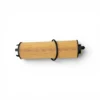
Explore the most common problems with air conditioning receiver dryers, focusing on key failure symptoms, likely causes, and the most effective buyer checks for South African vehicles. Know when a replacement makes sens…
What you need to know
Air conditioning receiver dryers often fail due to age, moisture contamination, or system leaks, leading to weak cooling, odd noises, or expensive compressor damage. If your air con struggles to cool, emits musty smells, or shows oily residue, replacement is often the safest and most cost-effective option—especially with quality-used components.
What you should know about Air Conditioning Receiver Dryers
Air conditioning receiver dryers often fail due to age, moisture contamination, or system leaks, leading to weak cooling, odd noises, or expensive compressor damage. If your air con struggles to cool, emits musty smells, or shows oily residue, replacement is often the safest and most cost-effective option—especially with quality-used components.
Fitment checks before you buy
What affects the price
Common buying mistakes
Live listings in this browse area
How Air Conditioning Receiver Dryers Fail: Typical Symptoms
Receiver dryers act as filter-driers, removing moisture and contaminants from your system’s refrigerant. In South Africa’s climate, both age and humidity can speed up internal desiccant breakdown. Classic symptoms of failure include:
- Weak cooling even after re-gassing, often due to moisture overload in the system.
- Unusual hissing or rattling noises from the receiver dryer area—the internal filter mesh may have deteriorated.
- Persistent musty or chemical smells when using the air con, indicating organic build-up or oil contamination.
- Visible oily stains at joints, often signifying leaks that allow air/moisture into the circuit.
If left unchecked, these problems can rapidly escalate to compressor failure, particularly in high-use areas like Gauteng, Durban, or Cape Town.
Underlying Causes of Receiver Dryer Problems
Most receiver dryers fail from a combination of:
- Moisture ingress due to worn seals or open pipes after accidents or repairs.
- System neglect: Delaying air con servicing accelerates internal rust and clogs.
- Repeated system re-gassing without dryer replacement, which carries contaminants into the desiccant pack.
- Poor repair practices—fitting a used part without flushing the rest of the system can result in repeat failures.
SA motorists often face additional risk because of environmental dust and high summer humidity, both of which can accelerate desiccant breakdown or cause blockages inside the unit.
What Buyers Should Inspect Before Choosing a Used Receiver Dryer
Condition is critical, as receiver dryers are ‘first line’ protection for compressors. Prioritise these checks:
- External state: Look for rust, pitting, or heavy paint loss (skip parts with advanced corrosion).
- Seals and fittings: Ensure no obvious cracks, warping, or cross-threading on union threads.
- Check part number and compatibility—South African models can differ from international variants. Use guides or speak to a Trade Partner if in doubt.
- Smell test: A strong chemical or musty odour is often a sign of internal contamination.
- Proof of system maintenance: Ask if the donor vehicle had a recent compressor or condenser failure (red flag for re-use).
Browse available receiver dryers or request a match if yours isn’t on site.
When Replacement Is the Safer, Smarter Route
Receiver dryers are not designed for indefinite reuse. Always replace after:
- Serious compressor failure or major leaks.
- Discovery of rust, sludge, or debris inside system lines.
- Long periods of open pipework during repairs—humidity ruins the dryer fast.
- Noticeable drop-offs in cooling or efficiency, with other causes ruled out.
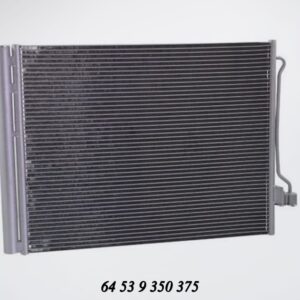
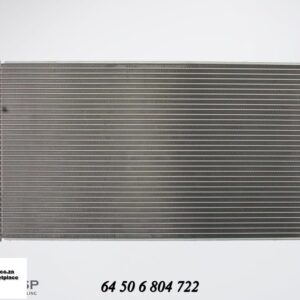
Using a quality, directly compatible part from a trusted Trade Partner ensures your system is protected for South African conditions. If unsure, use our Request a Part form and we’ll assist in matching your vehicle’s precise needs. For related components, like air con condensers for BMW and VW models, browse products such as BMW F10-F13 Air Con Condenser or VW Polo Vivo Air Condenser.
Used Parts Disclaimer
Used parts can differ by engine code, plugs, mounting points, side, trim level, year range and running changes. Always compare the exact match details before purchase. If the exact item is not listed, use Request a Part so the right option can be sourced.
For policy details, read Refund & Returns. If you want to move stock, see Sell Used Parts or Become a Trade Partner.
Delivery, sourcing and returns
Parts are dispatched through vetted Trade Partners across South Africa with options for tracked delivery. Shop with peace of mind—review our Refund & Returns policy for full details, or request a specific receiver dryer if yours isn't currently listed.
Frequently asked questions
What are the main symptoms of a failing receiver dryer?
Typical signs include weak air con cooling, hissing or rattling noises, visible leaks or oily residue, and musty or chemical odours from vents. If present, have your system inspected and consider replacing the dryer before more expensive parts fail.
How often should the receiver dryer be replaced in South Africa?
Most manufacturers recommend replacement any time the air con system is opened, after compressor failure, or every 3-5 years in high-humidity or high-mileage environments common in SA. Neglecting this advice can risk costly compressor damage.
Can I reuse a receiver dryer from a used vehicle?
It’s only safe when the part is in excellent physical condition, has not been exposed to open air for long, and comes from a system without prior major failures. Prioritize trusted sources and always check for contamination or rust. Request a part if you’re unsure about compatibility.
Is DIY installation of a receiver dryer advisable?
Fitting requires evacuation and recharging of the air con system, best left to professionals with the tools for handling refrigerants. Incorrect installation can introduce moisture, quickly damaging a new or used dryer.
Ready to move?
Ready for reliable cooling? Find the right receiver dryer or request a custom match today.
Live products related to this guide
Prices, stock and condition are read from the current WooCommerce catalogue.


VW Golf 4 A31 JET4 1.6 Petrol 1.8turbo 2.0 1.9 Diesel 1993 2003 Air Condenser
new



Use the guide, then verify the exact part
Browse the live catalogue first. Send a detailed request when the exact match is not listed.
Related parts intelligence guides

Bulb Holder Parts in South Africa — Identification, Fitment & Buying Tips
Find out how to identify and fit the right bulb holder parts in South Africa with practical tips and links to live…

Accessories Parts in South Africa — Practical Buying Guide for Vehicle Owners and Workshops
A useful guide for South African drivers and workshops on vehicle accessories — how to identify, inspect, and buy from trusted local…

Comprehensive Fuel Filter Guide for South African Vehicle Owners and Workshops
A detailed guide on fuel filters, covering their function, identification, fitment, and maintenance for South African vehicles.

Fuel Cap Buying Guide for South African Vehicle Owners and Workshops
A practical guide for identifying and purchasing the correct fuel cap in South Africa to prevent contamination and check engine errors.

EGR Valve Buying Guide for South African Vehicle Owners and Workshops
Practical guide for identifying, inspecting, and buying EGR valves for South African vehicles, with product examples and inspection tips to avoid common…

Door Stop Parts in South Africa: Identification, Fitment, and Practical Buying Tips
This guide explains how to identify and select the right door stop parts in South Africa, with fitment insights, condition checks, and…