
Identify common problems linked to adhesive liquids or bonding agents in the automotive sector. Learn to spot weak adhesion, leaks, contamination, and aging—plus how to decide when replacement is essential for safe, eff…
What you need to know
Common adhesive liquids or bonding agents problems include weak bonds, hardening, discolouration, and contamination. Inspect for expired or opened products, uneven application, or any loss of bonding strength. Replacement is safest when adhesives fail to cure, show signs of aging, or have been improperly stored.
What you should know about Adhesive Liquids or Bonding Agents
Common adhesive liquids or bonding agents problems include weak bonds, hardening, discolouration, and contamination. Inspect for expired or opened products, uneven application, or any loss of bonding strength. Replacement is safest when adhesives fail to cure, show signs of aging, or have been improperly stored.
Fitment checks before you buy
What affects the price
Common buying mistakes
Live listings in this browse area
Recognising Adhesive Liquid or Bonding Agent Problems
Adhesive and bonding agent issues often become obvious only after failure—be proactive in spotting the first signs.
- Loss of Bond Strength: If parts detach or shift under light pressure, the bond may be compromised.
- Curing Failures: Liquids that remain tacky or never fully set indicate expired or degraded adhesive.
- Visible Contamination: Changes in colour, clarity, or sediment inside the bottle signal spoilage or chemical breakdown.
- Discolouration or Odour: A sour, acrid, or unfamiliar smell can mean oxidative or microbial contamination is underway.
- Hardened/Separated Product: Clumping, separation, or chunks present in liquid point to advanced aging or poor storage.
Use a test patch if in doubt, and always check packaging for trusted trade names—see our Bonding Liquid (Duram) option for comparison.
Leading Causes of Automotive Adhesive & Bonding Agent Failure
Understanding why adhesives fail helps you select and maintain your stock more confidently.
- Age and Shelf Life: Adhesives degrade after their marked expiry—even if unopened. South African heat can hasten this process.
- Poor Storage: Exposure to sun, temperature swings, or humidity breaks down bonding properties long before application.
- Contamination: Entry of dust, moisture, or other chemicals—especially from improperly tightened caps—degrades effectiveness.
- Incorrect Product Choice: Using a non-automotive adhesive or one not rated for local weather, vibration, or load will cause premature failure.
For expert guidance on the right adhesive for your repair or upgrade, try our Request a Part service.
What Buyers Should Inspect Before Buying or Fitting Adhesive Liquids
Thorough pre-purchase checks help avoid unreliable bonds and wasted effort.
- Date & Batch: Only accept adhesives with valid dates and clear labelling.
- Visual Inspection: Scan for cloudiness, sediment, hardening, or any sign of leakage or damage.
- Packaging Integrity: Refuse any product with cracked bottles, loose caps, or evidence of tampering.
- Suitability: Double-check that the adhesive matches both your materials (e.g., plastic, glass, metals) and the environment (heat, cold, humidity).
- Supplier Transparency: Buy only from reputable Trade Partners—see our curated trade network or become one here.
When is Replacement the Safer Alternative?
If there is uncertainty over past storage, expiry, or visual quality, replacing adhesive products is often safer than risking a failure.
- Expired, Hardened, or Contaminated: Always replace—these cannot be recovered or trusted.
- No Proof of Source: Avoid adhesives with missing or unclear origin labeling—unknown storage and counterfeit risk.
- Visible Failures: If the old adhesive shows detachment or performance drop, do not reuse—remove, clean, and apply fresh.
- Critical Systems: When adhesives are used in load-bearing or safety-critical applications, fresh product is a non-negotiable.
Order a trusted replacement from our Adhesive Liquids & Bonding Agents category, or use our app for fast requests from anywhere in South Africa: Brits Brothers App.
Used Parts Disclaimer
Used parts can differ by engine code, plugs, mounting points, side, trim level, year range and running changes. Always compare the exact match details before purchase. If the exact item is not listed, use Request a Part so the right option can be sourced.
For policy details, read Refund & Returns. If you want to move stock, see Sell Used Parts or Become a Trade Partner.
Delivery, sourcing and returns
Adhesives and bonding agents must be shipped with care—double check packaging and seals when your order arrives. Unsure or received damaged goods? Review our Returns Policy for hassle-free resolution.
Frequently asked questions
What are the first warning signs of adhesive liquid problems?
Early symptoms include unexpected detachment of bonded parts, product hardening, cloudy or separated liquid, and odd odours. Always inspect adhesives before use and apply test patches if unsure.
Can old or expired adhesives be revived or reused safely?
No. Once adhesive liquids or bonding agents have expired, changed consistency, or been contaminated, they lose effectiveness. Replacement is always safer for automotive work.
How should I store adhesive liquids or bonding agents to prevent deterioration?
Store in a cool, dry area away from sunlight or temperature extremes. Keep containers sealed tightly and upright. Avoid vehicle interiors, as high heat accelerates breakdown.
Where can I find reliable used or surplus adhesive liquids in South Africa?
Browse our category for vetted options: Adhesive Liquids & Bonding Agents. For special requests or to source in bulk, use our Request a Part form for Trade Partner assistance.
Ready to move?
Inspect carefully—choose safe, fresh adhesives for every repair. Request your next bonding agent today!
Live products related to this guide
Prices, stock and condition are read from the current WooCommerce catalogue.
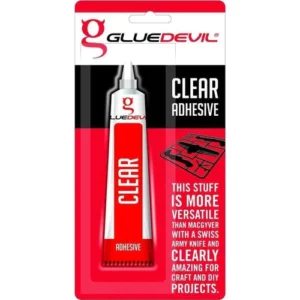
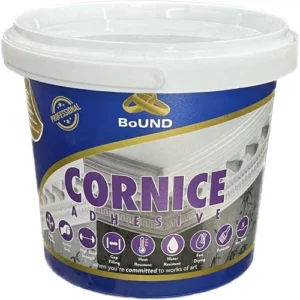


Use the guide, then verify the exact part
Browse the live catalogue first. Send a detailed request when the exact match is not listed.
Related parts intelligence guides

Cam Pulley Parts in South Africa — Buying Guide (Brits Brothers™)
A practical guide for Cam Pulley — what to look for, what’s included, and quick links to live listings on Brits Brothers™.

Bumper Reflectors in South Africa: Identification, Fitment, and Maintenance Guide
This guide provides detailed information on bumper reflectors in South Africa, including identification, fitment, maintenance, and legal requirements for vehicle owners and…

Comprehensive Guide to Bumper Parts in South Africa
A detailed guide for South African vehicle owners on selecting, fitting, and purchasing bumper parts, featuring live product listings and expert advice.

Comprehensive Guide to Brake Fluid Reservoirs in South Africa
Understand the role, maintenance, and purchasing considerations of brake fluid reservoirs for South African vehicles.

Brake Calipers in South Africa: Identification, Fitment, and Buying Guide
Brake calipers house brake pads and pistons to slow wheels by friction. Choose the right caliper by fitment, condition, and quality when…

Bootlid Parts Buying Guide in South Africa: Identification, Condition & Fitment Tips
Practical guide for identifying, inspecting, and buying new or used bootlid parts with fitment tips for South African vehicles.
