
Identify the most common ABS pump problems, their causes, and what to inspect when buying a replacement in South Africa. Experts share signs, risks, and when to choose a tested ABS pump for safe braking.
What you need to know
Common ABS pump problems include warning lights on the dashboard, inconsistent braking, loss of ABS function, and odd noises during braking. Failures are often due to internal leaks, worn brushes, corrosion, or electrical issues. If you notice any warning symptoms, professional diagnosis is vital and replacement with a quality tested unit is often the safer, cost-effective choice.
What you should know about ABS Pump
Common ABS pump problems include warning lights on the dashboard, inconsistent braking, loss of ABS function, and odd noises during braking. Failures are often due to internal leaks, worn brushes, corrosion, or electrical issues. If you notice any warning symptoms, professional diagnosis is vital and replacement with a quality tested unit is often the safer, cost-effective choice.
Fitment checks before you buy
What affects the price
Common buying mistakes
Live listings in this browse area
Common Symptoms of ABS Pump Problems
The most immediate sign of ABS pump trouble is the dashboard ABS warning light staying on. You may also notice:
- Unusual noises: Clicking, humming, or grinding from behind the engine bay during or after braking.
- Pulsating or hard brake pedal: The pedal may shake or become excessively stiff when the ABS activates.
- Loss of anti-lock braking: Your wheels may lock up on harsh braking or slippery roads, as the ABS system fails to modulate pressure.
- Intermittent braking issues: Braking performance changes from one drive to another, even without obvious leaks.
Any of these symptoms should trigger a careful inspection of your ABS pump and associated wiring—not all faults are caused by the pump itself, but ignoring them risks safety and costly downstream repairs.
Likely Causes of ABS Pump Failure
ABS pumps in South African conditions are prone to certain types of failure due to climate, road conditions, and age. The most common causes include:
- Internal corrosion: From brake fluid contamination or moisture ingress, attacking metal components.
- Electrical faults: Broken wiring, burnt fuses, or ECU malfunctions that break the circuit.
- Hydraulic leaks: Failed seals within the pump allow fluid to escape or air to enter.
- Motor wear: Brushes and commutators wear down, or the armature shorts out after high mileage use.
Many ABS pumps fail from a combination of age and environmental exposure. In coastal or high-humidity regions, corrosive failure is especially common.
What to Inspect Before Buying a Used ABS Pump
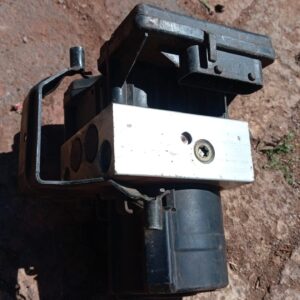
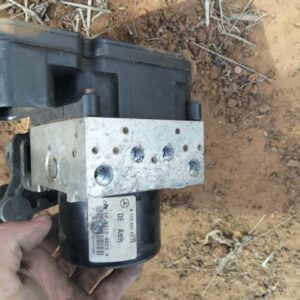
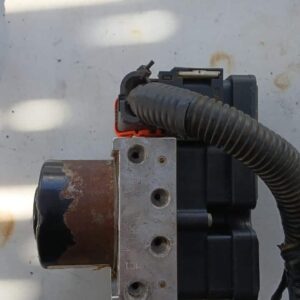
When sourcing a used ABS pump, a careful checklist helps avoid common pitfalls. Inspect the physical body for any signs of rust, fluid weeping, or cracks. Match the part number exactly to your car’s OEM requirements—many units are visually similar but will not work cross-model.
Ask the Trade Partner about the donor vehicle: low-mileage units or those with documented test results generally offer longer service life. Ensure all electrical connectors are included and undamaged, and scrutinise mounting brackets for rough handling. If in doubt, request a Request a Part review to get expert assistance.
If you’re shopping by make, check:
When to Replace Your ABS Pump: Safety vs. Repair
Minor issues—like dirty connectors or external wiring—can sometimes be repaired. However, once internal hydraulic or electrical faults develop in the ABS pump, replacement is almost always the safer, more reliable solution. Professional mechanics in South Africa typically recommend fitment of a quality used or refurbished unit when:
- Multiple warning lights remain after resets
- Visible fluid leaks or corrosion are present
- Earlier repairs have not solved the problem
Fitment of the correct used ABS pump, matched to your exact vehicle model, quickly restores braking confidence and helps you get back on the road. For rare or discontinued models, request a part or let us help you source the right solution via our Trade Partner network.
Used Parts Disclaimer
Used parts can differ by engine code, plugs, mounting points, side, trim level, year range and running changes. Always compare the exact match details before purchase. If the exact item is not listed, use Request a Part so the right option can be sourced.
For policy details, read Refund & Returns. If you want to move stock, see Sell Used Parts or Become a Trade Partner.
Delivery, sourcing and returns
All Brits Brothers™ ABS pumps are sourced from reliable Trade Partners, tested where possible, and backed by our straightforward refunds and returns policy (see full details: https://britsbrosparts.co.za/refund-returns/). Delivery options cover nationwide couriers, with secure packaging for safe transit.
Frequently asked questions
How do I know if my ABS pump is failing or just sensors?
The ABS light alone does not always mean pump failure. If you hear new noises, notice fluid leaks, or lose ABS function in multiple conditions, the pump may be at fault. Diagnostic scanning can confirm the root cause. Talk to your mechanic, or request a part expert check.
Are used ABS pumps reliable in South Africa?
Quality used ABS pumps from trusted Trade Partners are both cost-effective and reliable, especially if tested and supplied with warranty options. Always check for recent refurbishment, visible condition, and ensure the pump is matched to your vehicle’s specification.
Should ABS pumps be installed by a professional?
Yes. Proper fitment and brake system bleeding are critical for safety. Professional installation ensures your ABS system works as intended and your warranty remains valid.
Where can I find specific ABS pump part numbers in South Africa?
Start with the ABS pump category on Brits Brothers™, or use the Request a Part service for rare models. Each listing includes part numbers for cross-reference.
Ready to move?
Get the right ABS pump for your vehicle—browse, request, or connect with a Trade Partner today.
Live products related to this guide
Prices, stock and condition are read from the current WooCommerce catalogue.
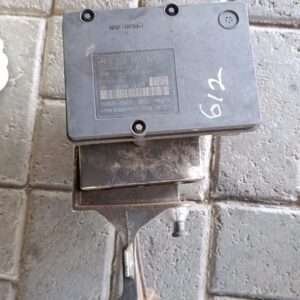
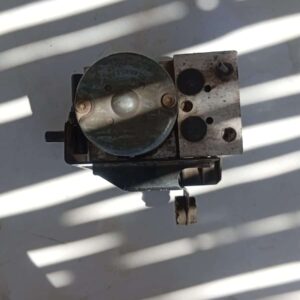
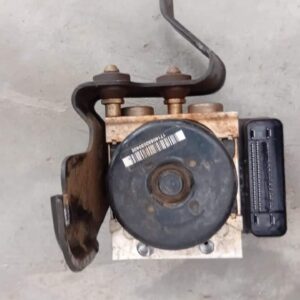
Use the guide, then verify the exact part
Browse the live catalogue first. Send a detailed request when the exact match is not listed.
Related parts intelligence guides

Bulb Holder Parts in South Africa — Identification, Fitment & Buying Tips
Find out how to identify and fit the right bulb holder parts in South Africa with practical tips and links to live…

Accessories Parts in South Africa — Practical Buying Guide for Vehicle Owners and Workshops
A useful guide for South African drivers and workshops on vehicle accessories — how to identify, inspect, and buy from trusted local…

Comprehensive Fuel Filter Guide for South African Vehicle Owners and Workshops
A detailed guide on fuel filters, covering their function, identification, fitment, and maintenance for South African vehicles.

Fuel Cap Buying Guide for South African Vehicle Owners and Workshops
A practical guide for identifying and purchasing the correct fuel cap in South Africa to prevent contamination and check engine errors.

EGR Valve Buying Guide for South African Vehicle Owners and Workshops
Practical guide for identifying, inspecting, and buying EGR valves for South African vehicles, with product examples and inspection tips to avoid common…

Door Stop Parts in South Africa: Identification, Fitment, and Practical Buying Tips
This guide explains how to identify and select the right door stop parts in South Africa, with fitment insights, condition checks, and…


