
Konnwei KW208 | 12V Car Battery Tester, 100-2000 CCA Load & Alternator Tester Automotive

R1060.00

BB Store Credit Earn PreviewEarn approx. R10.60 BB Store Credit1% base. Added after successful checkout and available for your next order.
Payflex Peach PAYMENTS Yoco
Brits Brothers Support

Need help with this part?

Fitment, stock, courier and returns help.
Click any service to learn more.
Repair package

Complete Repair Package

Open the package builder to choose your vehicle and repair area. It only loads after click.

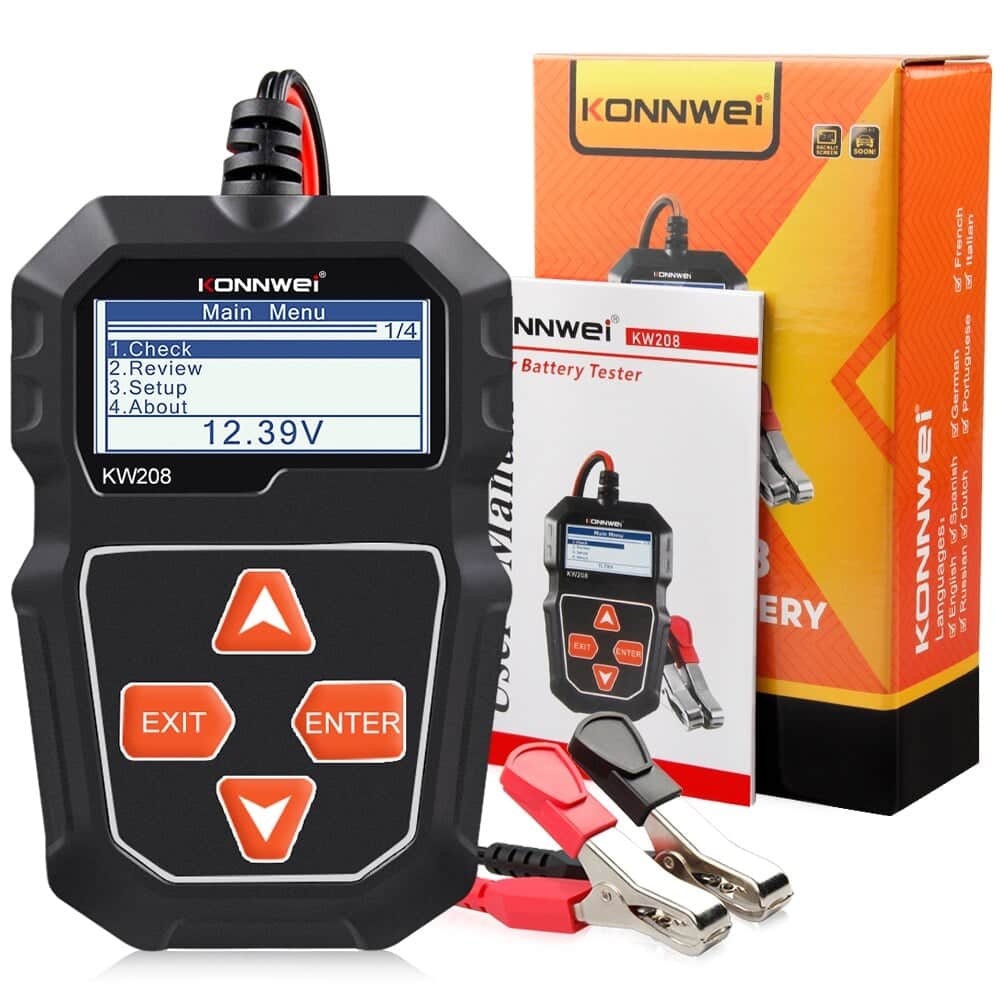
Konnwei KW208 is an alternator designed for automotive electrical systems testing and maintenance. Confirm compatibility before use

Konnwei KW208 | 12V Car Battery Tester, 100-2000 CCA Load & Alternator Tester Automotive is a diagnostic tool designed to assess the condition of automotive batteries and alternators. This tester operates at 12 volts and supports load testing of batteries with a Cold Cranking Amps (CCA) range from 100 to 2000, making it suitable for a wide variety of vehicle battery capacities.

This unit measures battery health by simulating the strain of engine starting, helping to identify batteries that are weak or failing under load conditions. Additionally, it tests alternator performance to ensure the vehicle’s charging system is functioning properly, which is critical for maintaining battery charge and vehicle electrical system stability.

Buyers should compare the specifications of this tester to the requirements of their vehicles’ electrical system and the CCA rating of the battery in question. This device is a practical choice for diagnosing issues related to battery power and alternator output in automotive settings.

  • Brand: Konnwei
  • Compatible with 12V automotive electrical systems
  • Battery load test range: 100 – 2000 CCA
  • Includes alternator testing function

Use this tester to verify battery and alternator condition before replacing parts. For detailed fit or alternative options, consider submitting a request through the appropriate channels for professional advice.

If this repair may need matching clips, brackets, lights, panels or more than one part, check more Alternator, Quick Repair Bundle or Request a Part before ordering.

Frequently Asked Questions

Confirm fitment before ordering
Quick answers before you order. If anything is unclear, confirm fitment first using your VIN or part number and avoid mistakes.
Helpful product answers
What vehicles is the Konnwei KW208 compatible with?
The Konnwei KW208 is designed for 12V automotive systems, making it suitable for most cars, trucks, and motorcycles with 12V batteries. It supports battery testing within a 100-2000 CCA range, covering a wide variety of vehicle battery sizes. Always ensure your vehicle battery falls within this range for accurate results.
How does the Konnwei KW208 test the alternator?
This tester evaluates the alternator by measuring the charging voltage and current output while the engine is running. It helps identify if the alternator is functioning properly or if it’s underperforming, which can prevent unexpected battery failures. Regular alternator testing can save you from costly repairs down the line.
Can I use the Konnwei KW208 to test a deeply discharged battery?
Yes, the KW208 can test batteries even if they are deeply discharged, as long as the battery voltage is above 8V. It provides a detailed analysis of battery health, including state of charge and internal resistance. For batteries below 8V, testing may not be accurate, and professional assessment might be necessary.
Is the Konnwei KW208 suitable for professional Trade Partners?
Absolutely. The KW208 offers reliable and quick diagnostics, making it an excellent tool for Trade Partners who require efficient battery and alternator testing. Its user-friendly interface and broad testing range support professional automotive service environments. For partnership inquiries, visit our Trade Partners page.
What safety precautions should I take when using the Konnwei KW208?
Always ensure the tester’s clamps are connected correctly to the battery terminals—red to positive and black to negative—to avoid damage. Use the device in a well-ventilated area and avoid sparks near the battery to prevent hazards. Follow the user manual instructions carefully for safe and accurate testing.