


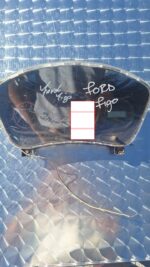
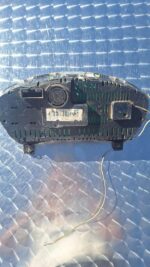
2014 Ford Figo 1400 Cluster
Premium quality instrument cluster for your 2014 Ford Figo 1400. Restore your vehicle’s dashboard with precision, reliability, and style.
Product Highlights
- Direct replacement cluster designed specifically for the 2014 Ford Figo 1400 model.
- Highly accurate speedometer, tachometer, fuel gauge, and warning light functions.
- Restores factory dashboard aesthetics and information clarity.
- Meticulously tested for quality and reliability to ensure smooth operation.
- Helps maintain vehicle value with genuine-fit component standards.
- Easy installation using original mounting points and connectors.
Condition & What You Get
This 2014 Ford Figo 1400 Cluster is supplied as a quality used part. It has been carefully inspected for performance and physical condition. As with any used automotive component, expect minor surface marks or wear consistent with age. Functionality has been verified, but some calibration may be required upon installation depending on your vehicle’s setup.
Included in your purchase:
- Instrument cluster unit compatible with 2014 Ford Figo 1400
- Original mounting hardware (where applicable)
- Standard manufacturer connectors for plug-and-play integration
Shipping & Returns – Trust & Reliability
We understand how important timely delivery and peace of mind are when ordering automotive parts. Your cluster will be securely packaged and dispatched promptly. Track your shipment easily through The Courier Guy for real-time updates.
If you need to return the part, please review our Refund & Returns Policy. Our customer service team is ready to assist you through every step.
Used Parts Disclaimer
Please note that this instrument cluster is a used automotive part. While fully tested and functional, it may exhibit signs of previous use such as minor scratches or wear. It is recommended to confirm exact fitment and compatibility with your 2014 Ford Figo 1400 before purchase. Installation by a qualified professional is advised to ensure proper operation.
Technical & Fitment Snapshot
| Specification | Detail | Notes |
|---|---|---|
| Model Year | 2014 | Exact fit for Ford Figo 1400 |
| Part Type | Instrument Cluster | Common replacement component |
| Compatibility | Ford Figo 1400 (2014) | Confirm fitment before installation |
| Condition | Used | Tested and functional |
| OEM Number | Typical/Common | Confirm fitment |
Need Assistance or a Different Part?
If this cluster is not what you need, explore our comprehensive Request a Part service – our team will help you find the exact component for your Ford or other vehicle.
Interested in selling other automotive parts? Visit our We Buy Parts program to get competitive offers.
Exclusive WhatsApp Support
Have questions or want help confirming fitment? Chat with a dedicated specialist on WhatsApp for fast, personalized assistance. Your satisfaction and confidence in your purchase are our top priorities.
Get Our App for Easy Browsing & Ordering

Common Symptoms this Instrument Cluster Resolves
The instrument cluster in your 2014 Ford Figo 1400 serves as the vital dashboard interface, providing critical driving information such as speed, engine RPM, fuel levels, and warning indicators. When this cluster begins to malfunction or fails, it can cause a host of frustrating and potentially dangerous symptoms. Here are some of the most common issues that a replacement cluster like this one resolves:
- Inaccurate or Erratic Speedometer Readings: If your speedometer needle jumps around or doesn’t display the correct speed, this can mislead you on your actual driving speed, which is both unsafe and illegal.
- Non-Responsive Tachometer: The RPM gauge may stop working or get stuck, preventing you from monitoring engine performance and causing potential engine over-revving.
- Fuel Gauge Malfunctions: Erratic or flat readings can cause uncertainty about fuel levels, risking unexpected run-outs and inconvenience.
- Unlit or Flashing Warning Lights: Vital warnings such as engine check light, oil pressure, battery, or brake system alerts may not illuminate, jeopardizing vehicle safety awareness.
- Dim or Flickering Display: A backlight issue in the cluster can reduce visibility during nighttime driving, causing strain and missing critical information.
- Odometer Errors: Incorrect mileage display can affect warranty claims, servicing schedules, and resale value.
These symptoms are commonly caused by wear and tear, electrical faults, or internal circuit failure within the cluster unit. Replacing it with a tested unit restores reliable instrumentation and ensures your Ford Figo’s dashboard performs like new again.
Buying Guide: How to Verify Compatibility for Your Ford Figo Cluster
Ensuring that the instrument cluster you purchase is fully compatible with your 2014 Ford Figo 1400 is essential for proper fitment and functionality. Here are some clear, practical steps to verify the right fitment before completing your order:
1. Check Manufacturer Part Numbers and Labels
Most instrument clusters have an OEM part number or label on the rear or side of the unit. Compare this number with your existing cluster to confirm it matches or is listed as a direct replacement part for your vehicle model and year.
2. Visual Inspection and Photos
Examine photos of the cluster listing or request additional images if required. Compare the size, shape, connector type, mounting points, and overall design to your current cluster to identify any differences.
3. Measure Physical Dimensions
If unsure, take measurements of your instrument cluster’s width, height, and depth. Provide these when requesting parts or consulting sellers. This step helps avoid purchasing incompatible units that do not fit into your dashboard housing.
4. Confirm Connector Type and Pin Configuration
The wiring connectors vary by model and sometimes by production batch. Ensure the connectors on the replacement cluster match your vehicle’s wiring harness. Mismatched connectors can cause installation issues or non-functional displays.
5. Consult Your Vehicle’s Manual or Dealership
Your owner’s manual or official dealership resources can provide part numbers and compatibility details. Cross-reference these with the product listing or supplier for confirmation.
Following these steps reduces the risk of ordering an incompatible cluster and ensures seamless installation with restored dashboard functionality.
Installation Notes & Best Practices
Installing an instrument cluster requires attention to detail and some technical skills, given its role in vehicle electronics and dashboard assembly. To ensure a smooth, safe installation process, keep these professional tips in mind:
- Disconnect Vehicle Battery: To avoid short circuits or damage to sensitive electrical components, always disconnect the negative terminal of the battery before beginning work on your dashboard or instrument cluster.
- Use Proper Tools: Consult your vehicle’s service manual for recommended tools. Typically, you’ll need screwdrivers, plastic pry tools for dashboard trim removal, and possibly Torx bits to access mounting screws safely.
- Handle the Cluster with Care: The instrument cluster contains delicate circuit boards and display units. Avoid touching connectors and exposed circuits with bare hands to prevent static discharge or physical damage.
- Check and Align Mounting Points: Ensure the replacement cluster fits snugly and aligns with all screw holes and clip points to prevent rattling or dashboard deformation.
- Connect Wiring Properly: Plug in all wiring harnesses firmly. Double-check wiring diagrams if available, and ensure no connectors are forced or bent.
- Calibration and Programming: Some clusters may require recalibration or programming after installation to sync with the vehicle’s electronic control unit (ECU). This step often requires specialized diagnostic equipment and may need to be performed by a qualified technician or dealership service center.
- Test Before Complete Reassembly: Before snapping dashboard covers back into place, turn on the ignition and verify all cluster functions — check gauge needle movements, indicator lights, and display clarity.
Professional Fitment Recommended: While many experienced DIYers can handle cluster replacement, due to the technical nature and possibility of ECU integration, having a certified automotive electrician or authorized Ford specialist perform the work ensures quality and reduces risks of malfunction.
Maintenance & Care Tips for Your Instrument Cluster
Keeping your instrument cluster in great working condition not only ensures clear driving information but also helps extend the life of this important component. Follow these practical maintenance guidelines to help protect your cluster and avoid premature failures:
- Avoid Excessive Exposure to Moisture: Cluster units are sensitive to humidity and moisture ingress. Keep your dashboard and cabin dry to prevent internal corrosion or electrical shorting.
- Use Appropriate Cleaning Methods: Clean the cluster lens gently using a microfiber cloth with mild automotive glass cleaner. Avoid abrasive materials or harsh chemicals that could scratch or discolor the display lens.
- Protect from Direct Sunlight: Long-term exposure to sunlight can fade dial faces and damage plastic components. Use a sunshade or park in shaded areas when possible to reduce UV exposure.
- Handle Warning Lights Promptly: Don’t ignore dashboard warning lights. Address issues early to avoid cascading electronic problems that may affect cluster functionality.
- Periodic Electrical System Checks: Faulty wiring or battery voltage instability may cause erratic cluster behavior. Include your dashboard electronics in routine vehicle electrical system diagnostics.
- Professional Inspection if Symptoms Appear: If your gauges or lights start behaving irregularly, seek expert assessment at the earliest. Timely intervention can prevent expensive replacements or damage.
Maintaining your instrument cluster with care and attention safeguards your driving safety and helps maintain your vehicle’s value over time.
Shipping Expectations in South Africa
When ordering automotive parts like this instrument cluster within South Africa, understanding shipping timelines and processes helps you better plan installations and avoid delays. Here’s what you can expect:
- Prompt Handling and Dispatch: Upon receiving your order, we prioritize secure packaging and dispatch to protect the cluster unit during transit.
- Carrier Service: This product is shipped with The Courier Guy, a trusted South African courier specialist with extensive nationwide coverage and reliable service.
- Standard Delivery Times: Delivery typically takes 2-5 business days depending on your location within South Africa, with options to expedite in most regions for an additional fee.
- Real-Time Tracking: You will receive a tracking number once the parcel ships, enabling you to watch your package’s journey online through The Courier Guy’s tracking portal.
- Packaging: We use reinforced boxes with protective padding to minimize risks from bumps or drops, ensuring your instrument cluster arrives damage-free and ready for installation.
- Rural Deliveries: For areas outside major metro hubs, delivery times may be slightly extended. We recommend ordering in advance to accommodate potential rural transit delays.
- Pickup Option: If convenient, you can collect your order directly from our facility. Contact customer support to arrange pickup times and details.
By choosing reputable courier services and transparent communication, we strive to make your parts procurement experience smooth, efficient, and hassle-free.