Don't let worn-out brooms or faulty cleaning tools compromise your workspace or vehicle care. Understand common issues, know what to check, and see when replacement is best to keep your cleaning kit in top shape.
What you need to know
Common problems with brooms and cleaning tools include worn or deformed bristles, weak handles, loss of cleaning efficiency, and rust or residue build-up. Watch for bent bristles, loose parts, or difficulty cleaning—these signal it's time to inspect or replace. Always check tool condition and material compatibility before purchasing a quality replacement.
What you should know about Brooms & Cleaning Tools
Common problems with brooms and cleaning tools include worn or deformed bristles, weak handles, loss of cleaning efficiency, and rust or residue build-up. Watch for bent bristles, loose parts, or difficulty cleaning—these signal it's time to inspect or replace. Always check tool condition and material compatibility before purchasing a quality replacement.
Fitment checks before you buy
What affects the price
Common buying mistakes
Live listings in this browse area
Recognising the Most Common Symptoms
Brooms and cleaning tools show clear signs before performance drops:
- Frayed or uneven bristles create streaks and miss debris, especially on car exteriors or interiors.
- Bent or softened bristles (common after harsh chemical use or heat exposure) can scratch surfaces or fail to loosen trapped grime.
- Loose, unstable handles or head-to-bristle connections feel wobbly in use and may break under pressure—risking injury or tool failure during a routine clean.
- Obvious debris, residue, or rust on brushes or cleaning sets reduces effectiveness and can spread contaminants.
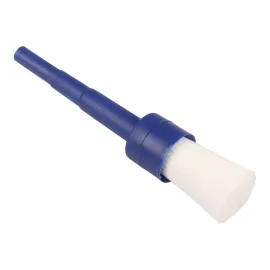
New or lightly used brushes like the Universal Cleaning Brush Soft Red offer smooth, even application for safe cleaning. If symptoms above interfere with performance, timely replacement is safest.
Underlying Causes: Why Do Brooms & Cleaning Tools Fail?
Surface damage, chemical exposure, and improper use are the main culprits:
- Overuse or heavy-duty cleaning breaks down bristles, especially without proper rinsing or drying.
- Repeated use with strong chemicals (like degreasers or wheel cleaners) deforms bristle shape and accelerates wear on plastic or natural fibres.
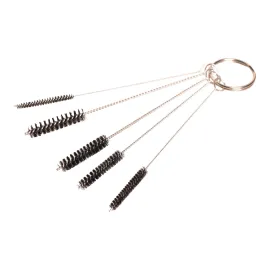
- Poor storage—leaving tools in direct sun, wet or cramped spaces—invites mould, bacteria, or rust (in metal/steel sections), as seen in parts like the SPRAYGUN CLEANING BRUSH Kit ™.
- Mismatched tools for task, such as using a hard brush on delicate bodywork or upholstery, leads to permanent surface marking.
Regular inspection and matching the cleaning tool to its intended use extends service life and performance.
When Is Replacement Safer—or Simply Smarter?
Choosing replacement over continued use is crucial when:
- Bristles do not return to shape after cleaning or drying, no matter the material.
- Brushes or needles show corrosion, or handles creak or flex dangerously during use.
- Visible residue cannot be completely washed off, risking cross-contamination (especially on air brushes or spraygun kits such as the TORK CRAFT Air Brush Nozzle Cleaning Needle).
- Important attachments go missing, or specific shapes needed for detail work are no longer consistent each time.
Timely replacement with premium-grade tools reduces cleaning time and prevents accidental damage to automotive finishes or hard-to-reach components.
Smart Buying: Choosing the Right Brooms & Cleaning Tools
Not all cleaning tools are created equal. When buying:
- Compare bristle hardness (soft vs hard) by application. Hard bristles suit underbody or wheel cleaning, while soft options protect paint and plastics.
- Look for multi-piece sets like the TORK CRAFT 5 Pcs Cleaning Brush Set For Air Brushes for comprehensive coverage and longer rotational service life.
- Evaluate handle ergonomics, length, and join strength to reduce operator fatigue and boost reach without flex or snap risk.
- Review photos and ask about specific wear points using the Request a Part form if uncertain about fitment or need for trade-level supply.
- Check compatibility with favourite cleaning solutions—use our app (download here) for on-the-go advice and part requests.
Used Parts Disclaimer
Used parts can differ by engine code, plugs, mounting points, side, trim level, year range and running changes. Always compare the exact match details before purchase. If the exact item is not listed, use Request a Part so the right option can be sourced.
For policy details, read Refund & Returns. If you want to move stock, see Sell Used Parts or Become a Trade Partner.
Delivery, sourcing and returns
Fast, traceable nationwide delivery available on all brooms and cleaning tools. Review the Refund & Returns policy and use our Request a Part service if you require a specific kit or accessory for your cleaning system.
Frequently asked questions
What are the most common signs my broom or cleaning brush needs replacing?
Watch for splayed, frayed, or flattened bristles that don’t pick up debris; any looseness in the handle; visible corrosion; or lingering chemical odours and residues after cleaning. Consistent cleaning inefficiency is a key warning.
Can I use hard-bristle brushes on all vehicle surfaces?
No. Hard-bristle brushes are ideal for wheels or underbody cleaning, but they can scratch paint and sensitive plastics. Always select a soft brush for exteriors, such as the Universal Cleaning Brush Soft Red, to avoid damage.
How do I maintain cleaning tools to extend their usable life?
Rinse brushes with clean water after each use, let them dry thoroughly, and store indoors away from direct sunlight. Keep metal or detailed cleaning sets oiled and dry—refer to the SPRAYGUN CLEANING BRUSH Kit ™ for examples of maintenance-friendly kits.
Where can I find quality replacements or request trade bulk supply?
Browse Brooms & Cleaning Tools for in-stock products. For trade partnerships or to sell vehicle parts, visit Become a Trade Partner. You can also request specific kits using Request a Part.
Ready to move?
Inspect your cleaning tools today—upgrade to premium options for safer, smarter results.
Live products related to this guide
Prices, stock and condition are read from the current WooCommerce catalogue.
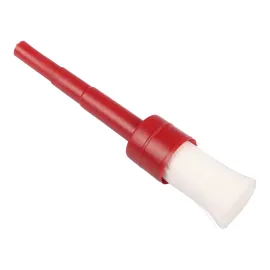
Universal Cleaning Brush Soft Red
new
Use the guide, then verify the exact part
Browse the live catalogue first. Send a detailed request when the exact match is not listed.
Related parts intelligence guides

Comprehensive Guide to Brake Fluid Reservoirs in South Africa
Understand the role, maintenance, and purchasing considerations of brake fluid reservoirs for South African vehicles.

Brake Calipers in South Africa: Identification, Fitment, and Buying Guide
Brake calipers house brake pads and pistons to slow wheels by friction. Choose the right caliper by fitment, condition, and quality when…

Bootlid Parts Buying Guide in South Africa: Identification, Condition & Fitment Tips
Practical guide for identifying, inspecting, and buying new or used bootlid parts with fitment tips for South African vehicles.

Boot Carpet Parts in South Africa: Identification, Fitment & Buying Advice
Practical advice for identifying, fitting, and buying boot carpet parts in South Africa, with detailed checks and links to in-stock products at…

Bonnet Shock Buying Guide for South African Vehicle Owners and Workshops
This guide covers identification, fitment, inspection, and buying tips for bonnet shocks suitable for South African vehicles, featuring product options from Brits…

Comprehensive Guide to Automotive Blower Fans in South Africa
Learn about automotive blower fans, their role in vehicle HVAC systems, identification, fitment, and maintenance, with practical tips and product recommendations in…
