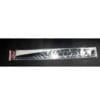
Quickly spot symptoms and root causes of Bidim Flashpack and flashing membrane failures. Use our practical buyer guide for smart inspection, safe replacement timing, and local pricing factors in South Africa.
What you need to know
The most typical Bidim Flashpack and flashing membrane problems include cracking, delamination, adhesive failure, and water ingress. These usually result from age, improper fitment, exposure to harsh conditions, or poor surface preparation. Check for visible wear and leaks before deciding on repair or safe replacement.
What you should know about Bidim Flashpack / Flashing Membrane
The most typical Bidim Flashpack and flashing membrane problems include cracking, delamination, adhesive failure, and water ingress. These usually result from age, improper fitment, exposure to harsh conditions, or poor surface preparation. Check for visible wear and leaks before deciding on repair or safe replacement.
Fitment checks before you buy
What affects the price
Common buying mistakes
Live listings in this browse area
Typical Symptoms of Bidim Flashpack / Flashing Membrane Failure
Common symptoms indicating a failing Bidim Flashpack or flashing membrane include visible cracks, corner lifting, bubbling, surface shrinkage, and persistent leaks around joints. South African climates with intense UV, rain, and temperature swings can accelerate membrane fatigue, especially on older fitments or those exposed to direct weather.
- Cracking: Especially near overlaps, signs that the membrane has hardened and lost flexibility.
- Lifting & Edge Curling: Indicates incomplete adhesion or underlying moisture.
- Damp Patches: Water stains or mildew on substrate or ceilings below are classic indicators.
- Peeling or Blistering: Often the result of trapped air or improper surface prep.
Act quickly on these signs to prevent further structural or water damage to your installation.
Likely Root Causes Behind Flashing Membrane Problems
Bidim Flashpack and similar flashing membranes primarily fail due to four root causes:
- Age and Environmental Exposure: Direct sunlight, thermal shock, and heavy rains cause membranes to lose elasticity and degrade over time.
- Poor Surface Preparation: Dust, oil, or debris left on the substrate compromise the bond between the membrane and base, especially during rushed installations.
- Incorrect Fitment: Misalignment, overstretching, or insufficient priming compound reduce the, lifespan of membranes by causing stress concentrations.
- Product Quality/Spec Issues: Sub-standard or mismatched membrane types do not hold up under load or harsh conditions, especially in industrial or commercial settings.
To increase longevity, always select the membrane based on your application’s exposure and verify correct surface prep and fitment steps.
When to Replace Instead of Repair: Safety and Cost Implications
While patch repairs might temporarily halt a leak, persistent issues often signal deeper substrate or adhesion breakdown. Replacement is advised if:
- Multiple leaks or large areas are affected.
- The membrane is brittle, powdery, or shows signs of UV wear.
- Previous repairs have failed repeatedly.
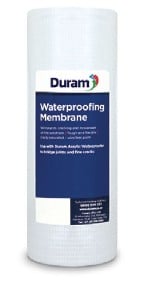
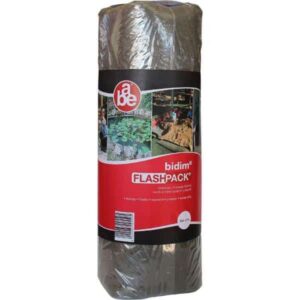
Switching to a new, premium membrane such as Bidim Flashpack 10MX1M ™ or MEMBRANE 1MX10M ™ can reduce further downstream repair costs and deliver longer weatherproof performance. Refer to our parts specialists for compatibility advice and secure local fitment options.
How to Inspect, Source, and Replace Flashing Membrane in South Africa
Visual inspection remains the first step—start by tracing all edges, overlap joints, and detailing corners. Use your hands to confirm firm bond and spot soft or loose areas. Take clear photos of any damage or uncertainty. Once faults are confirmed:
- Match specifications: Check your existing membrane’s size and brand (e.g., 1mx10m or 250mmx10m; Bidim or Abe).
- Browse our up-to-date selection: Bidim Flashpack / Flashing Membranes.
- Request a consultation or price via our Request a Part portal for trade and DIY needs.
- Coordinate delivery or arrange collection from one of our Trade Partners throughout South Africa.
If you have quality used membranes or wish to partner with us, reach out via Sell Used Parts or Become a Trade Partner.
Used Parts Disclaimer
Used parts can differ by engine code, plugs, mounting points, side, trim level, year range and running changes. Always compare the exact match details before purchase. If the exact item is not listed, use Request a Part so the right option can be sourced.
For policy details, read Refund & Returns. If you want to move stock, see Sell Used Parts or Become a Trade Partner.
Delivery, sourcing and returns
Every flashing membrane order is eligible for doorstep delivery across South Africa and follows our returns and refund policy for your peace of mind.
Frequently asked questions
How long should a Bidim Flashpack or flashing membrane last in South Africa?
Most well-installed, quality flashing membranes last between 5 to 10 years in South Africa, depending on exposure to UV, weather extremes, and substrate preparation. Check every rainy season for new wear or leaks to extend service life.
Is it possible to repair a leaking flashing membrane, or is replacement always necessary?
Small isolated leaks or edge lifts may be patched if the rest of the membrane is sound. If leaks recur, or the membrane feels brittle or loose overall, complete replacement is the safer, longer-term option.
What are the main causes of premature flashing membrane failure?
Poor surface preparation, incorrect installation (including inadequate priming or stretching), and ongoing water pooling are top causes. Using the wrong membrane type for your climate or exposure will also shorten its life.
Can I order flashing membranes online and have them delivered to my site?
Yes. All listed membranes, including Bidim Flashpack 10MX1M ™, can be ordered directly online for fast South African delivery. Review our Refund & Returns policy for purchase security.
Ready to move?
Browse genuine flashing membranes or request a Quote—choose safety, request the right part today.
Live products related to this guide
Prices, stock and condition are read from the current WooCommerce catalogue.

Use the guide, then verify the exact part
Browse the live catalogue first. Send a detailed request when the exact match is not listed.
Related parts intelligence guides

Brake Drum Buying Guide for South African Vehicles with Fitment and Inspection Tips
This guide covers what brake drums are, how to identify and fit them, condition checks, and what South African vehicle owners should…

Brake Disc Parts in South Africa — Identification, Fitment, Quality & Buying Guide
A practical guide for brake discs including identification, fitment, inspection, quality factors, and links to current stock at Brits Brothers Auto Parts.

Comprehensive Guide to Bonnet Cables for South African Vehicles
A detailed guide on bonnet cables, covering identification, fitment, and maintenance for South African vehicles.

Aircon Cannister Parts in South Africa — Identification, Fitment & Buying Guide
This guide helps South African vehicle owners and workshops identify, inspect, and buy the right aircon cannister for reliable air conditioning system…

Brake Master Cylinder Guide: Identification, Fitment, and Maintenance
Essential guide on brake master cylinders covering identification, fitment, maintenance, and buying tips for South African vehicle owners and workshops.

Air Flow Meter Parts in South Africa — Complete Buying Guide (Brits Brothers™)
Explore our detailed guide on air flow meters in South Africa, including identification, fitment, used-part condition, inspection, and buying tips.