Air hose adapters and connectors keep your pneumatic systems airtight and safe. Explore typical wear symptoms, what commonly fails, how to confidently inspect, and when replacing with tested parts from trusted trade par…
What you need to know
Frequent issues with air hose adapters and connectors include air leaks, poor fitment, cracks, and damaged seals, often caused by wear, vibration, and exposure to harsh elements. Inspect for visible damage, poor connections, or air loss, and replace components immediately if any fault compromises sealing or safety.
What you should know about Air Hose Adapters & Connectors
Frequent issues with air hose adapters and connectors include air leaks, poor fitment, cracks, and damaged seals, often caused by wear, vibration, and exposure to harsh elements. Inspect for visible damage, poor connections, or air loss, and replace components immediately if any fault compromises sealing or safety.
Fitment checks before you buy
What affects the price
Common buying mistakes
Live listings in this browse area
Recognising Symptoms of Air Hose Adapter & Connector Failure
Prompt symptom recognition allows buyers to avoid downtime and costly repairs:
- Air leaks: Hissing sound or visible bubbles at connections usually indicate either worn seals, cracks, or poor fitment. Using quality hoses—like the Ingco AIR HOSE 10M—can reduce leak risks.
- Difficulty connecting or disconnecting hoses: Often linked to bent or degraded threads, or internally seized couplings.
- Sudden hose disconnection: Usually caused by incompatible fitting sizes or worn locking mechanisms—risking damage to equipment or injury to operators.
- Poor pressure delivery: A drop in pressure tool-side or compressor-side may trace back to adapter blockages or partial disconnection.
Modern automotive pneumatic systems rely heavily on secure adapter and connector performance. Identifying the type and frequency of failure helps pinpoint the underlying source—whether material fatigue, incorrect sizing, or environmental attack—all crucial for optimal repair or replacement decisions.
What Causes Issues with Air Hose Adapters & Connectors?
South African conditions expose air hose adapters and connectors to unique daily stressors, including dusty sites, temperature swings, and vibration. Most part failures are tied to:
- Wear from frequent connections/disconnections: Each cycle degrades sealing surfaces and threads—especially with tools like the Mac AFRIC Basic Twist Nozzle Hose Set.
- Material fatigue: Budget plastic or unprotected mild-steel fittings crack, deform, or corrode faster than brass or braided models, such as the Air CRAFT 3 M Nylon Braided Hose.
- Chemical attack: Oils, coolants, or fuel vapours can degrade seals and plastics from the inside out—especially if not suited to these fluids.
- Incorrect fitment: Mixing incompatible threads or mis-matching diameters causes both sealing and safety risks.
Proactive buyers frequently monitor high-use adapters and connectors, especially in environments where vibration or temperature variations are constant. When in doubt, consult a trusted trade partner familiar with local demands.
Inspection & Testing: When Is Replacement the Safer Option?
Regular inspection is key and typically focuses on:
- Visual check: Look for cracking, corrosion, bent threads, or missing O-rings. Surface pitting can indicate advanced internal fatigue.
- Fitment test: Adapters and connectors should couple smoothly, click or twist securely, and not ‘wobble’ under slight load.
- Leak tests: Pressurise the system and listen for escaping air. Use mild soapy water to reveal leaks. Persistent bubbles mean a breach and warrant prompt replacement.
Replacement is strongly advised when:
- Thread or body damage cannot be corrected with cleaning or lube.
- Seal materials show age, hardening, or flat spots.
- Hose retention is inconsistent or allows accidental detachment.
- Pressure losses persist even after retightening or re-sealing.
If the risk of failure or air loss could disrupt workshop safety or tool performance, choosing a quality pre-tested part—like the Ingco AIR HOSE 15M 6-8MM—from verified stock is advised.
Choosing Reliable Used Air Hose Adapters & Connectors in South Africa
Finding dependable used adapters and connectors requires more than price comparison:
- Source: Prioritise parts from proven Trade Partners who vet for condition, compatibility, and fitment.
- Verification: Confirm pressure ratings, adapter type (thread standard, quick-connect style), and size compatibility with your hose or compressor before purchase.
- Return support: Seek platforms offering clear return policies and support for part queries or replacements.
- Variety: For unique system needs, request specialist pieces quickly with the Request a Part service or browse proven options from brands like Ingco and Air CRAFT.
- Trade relationships: Establishing an account or using the Brits Bros mobile app streamlines future orders and warranty tracking, maximising uptime for workshops and mobile repairers.
Used Parts Disclaimer
Used parts can differ by engine code, plugs, mounting points, side, trim level, year range and running changes. Always compare the exact match details before purchase. If the exact item is not listed, use Request a Part so the right option can be sourced.
For policy details, read Refund & Returns. If you want to move stock, see Sell Used Parts or Become a Trade Partner.
Delivery, sourcing and returns
All purchases are securely delivered throughout South Africa and backed by our Refund & Returns Policy for added confidence.
Frequently asked questions
What are the first signs my air hose connector needs replacing?
Common warning signs include air leaks (hissing), visible cracks or corrosion, poor connection grip, and difficulty achieving a tight seal. Prompt inspection helps prevent tool downtime.
Can I mix different brands of adapters and connectors?
Mixing is possible if thread types, pressure ratings, and connection sizes are a perfect match. However, always check for compatibility—especially between international thread standards like BSP and NPT.
Are used air hose connectors safe if inspected?
Used connectors from vetted trade partners are safe if seals, threads, and fitment points are properly checked for wear, damage, or leaks. Prioritise replacements with full condition verification.
How often should I inspect air hose adapters in high-use environments?
In busy workshops or mobile operations, inspect adapters and connectors weekly or after any instance of sudden air loss, hose slippage, or when changing tools frequently.
Ready to move?
Browse or request premium-tested air hose adapters & connectors today for safe, leak-free pneumatic performance.
Live products related to this guide
Prices, stock and condition are read from the current WooCommerce catalogue.



Use the guide, then verify the exact part
Browse the live catalogue first. Send a detailed request when the exact match is not listed.
Related parts intelligence guides

Crankshaft Seal Buying Guide for South African Vehicles with Fitment & Inspection Tips
Essential tips for identifying, inspecting, and buying crankshaft seals. Includes fitment advice and links to quality parts available at Brits Brothers South…

Clutch Cable Buying Guide for South African Vehicles: Identification, Fitment & Maintenance
Learn how to identify and select the correct clutch cable for your vehicle in South Africa, including practical buying checks and maintenance…

Cabin Filter Buying Guide for South African Vehicles: Identification, Fitment & Maintenance
A practical guide to cabin filters in South Africa, covering identification, fitment, inspection, and buying tips for vehicle owners and workshops.

Comprehensive Guide to Air Filters in South Africa: Identification, Fitment, and Maintenance
A detailed guide on air filters in South Africa, covering identification, fitment, maintenance, and buying advice for vehicle owners and workshops.

Comprehensive Guide to Car Aerials in South Africa
A detailed guide on car aerials in South Africa, covering types, identification, fitment, and maintenance, with practical tips and product recommendations.
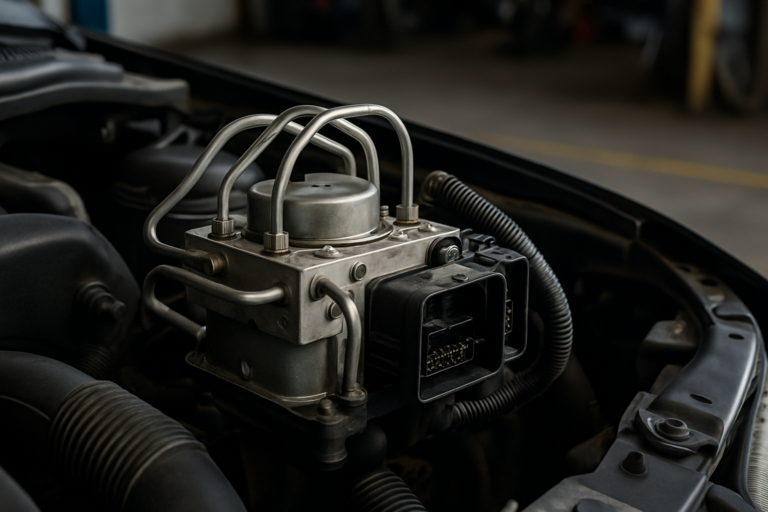
ABS Controller Parts in South Africa — Buying Guide (Brits Brothers™)
A practical guide for ABS Controller — what to look for, what's included, and quick links to live listings on Brits Brothers™.